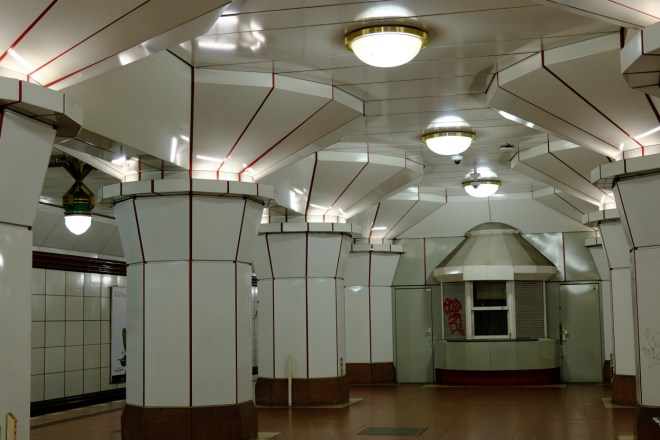
Berlin has 9 metro lines which, together with the tram and SBahn surface lines, make up a very extensive network. Like many other buildings in Berlin, the underground reflects the capital’s turbulent history. Some of its lines are also worth a visit for the richness of their decoration, with stations that are sometimes unique in their style!
This post focuses on line 7 of the metro, its central and western branches as far as Spandau. The stations featured here were decorated between the late 70s and the 80s and all have a unique design by Rainer Gerhard Rümmler. He had a very significant influence on the West Berlin underground between the 60s and the late 80s.


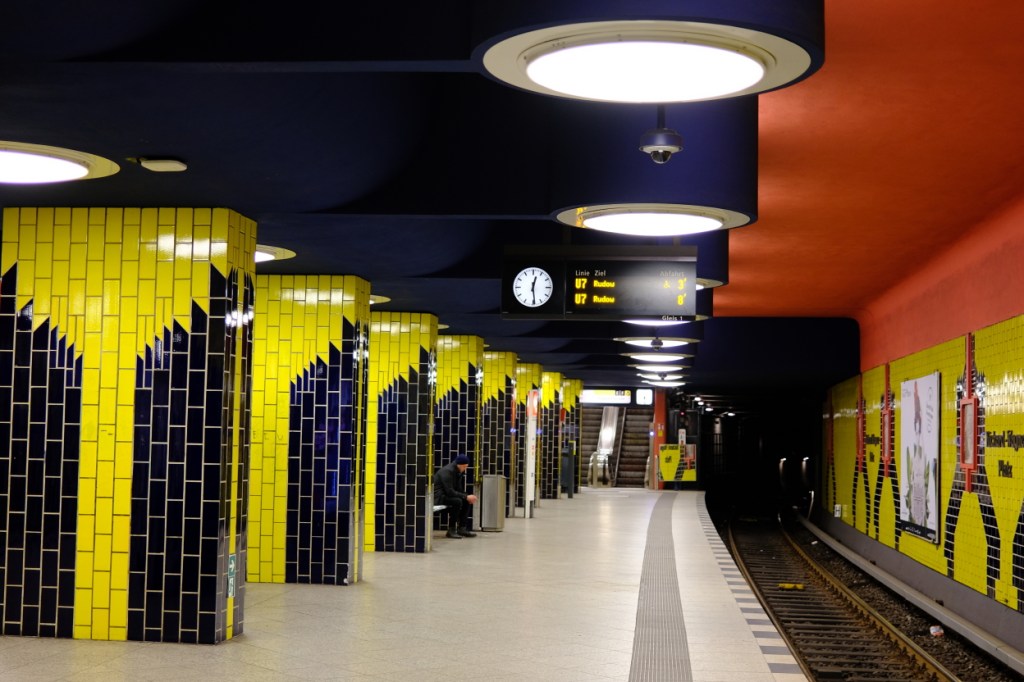
Richard Wargner Platz, U7, 1978, one of the first places to visit on this line when coming from the centre towards Spandau.
Historically, Berlin is the 5th city in Europe to have an underground railway. The first line was built in September 1896 and opened in 1902. The first section linked Warschauer Straße and Zoologischer Garten, with a branch to Potsdamer Platz. It was still essentially an aerial metro. The first phase of development of the network was largely on an East-West axis connecting the wealthiest areas of the centre and Charlottensburg, Wilmersdorf and Schöneberg. This small-gauge primary network corresponds to the current U1, U2, U3 and U4 lines. The lines built later were wide-gauge. The First World War brought a halt to construction, which resumed after the war.
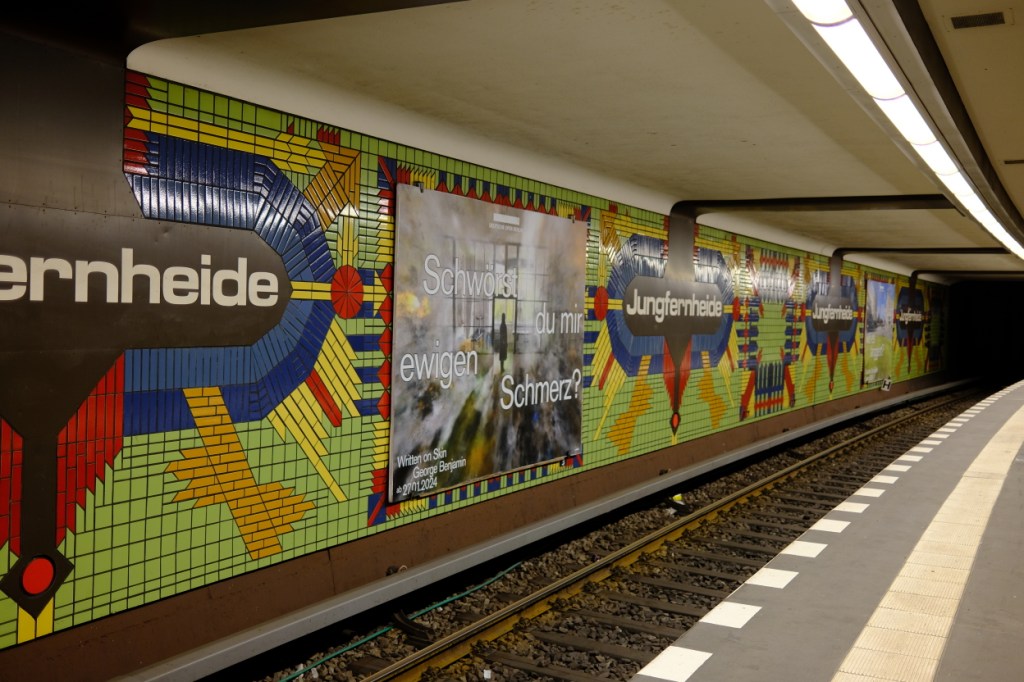

Jungfernheide, U7, 1980
The Nazis came to power in 1933 and their ambition was to radically transform Berlin into Germania. The mobilisation of the economy around the war effort and then the war itself brought all these projects to a standstill, including those concerning the transport network.


Jacob Kaiser Platz, U7, 1980
In 1945, when the fighting ended in Berlin, the transport network was in a poor state, and the dismantling of installations by the Soviets to send machines, rails, etc. to the USSR made the situation even worse.


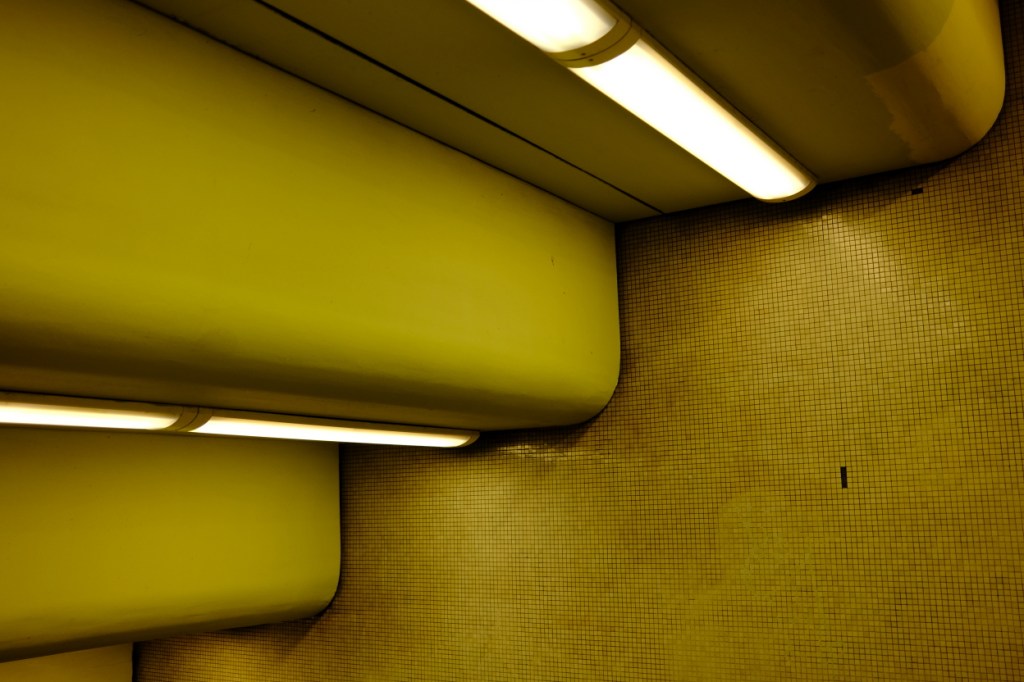
Mierendorfplatz, U7, 1980
In a Berlin under the administration of the four powers, transport management was complicated and quickly became a headache as tensions rose between the occupying powers. Management of the SBahn network was entrusted to a company located in the East, which was responsible for managing both parts of the network. Management of the metro, buses and trams was the responsibility of each of the two administrations for its part of Berlin.

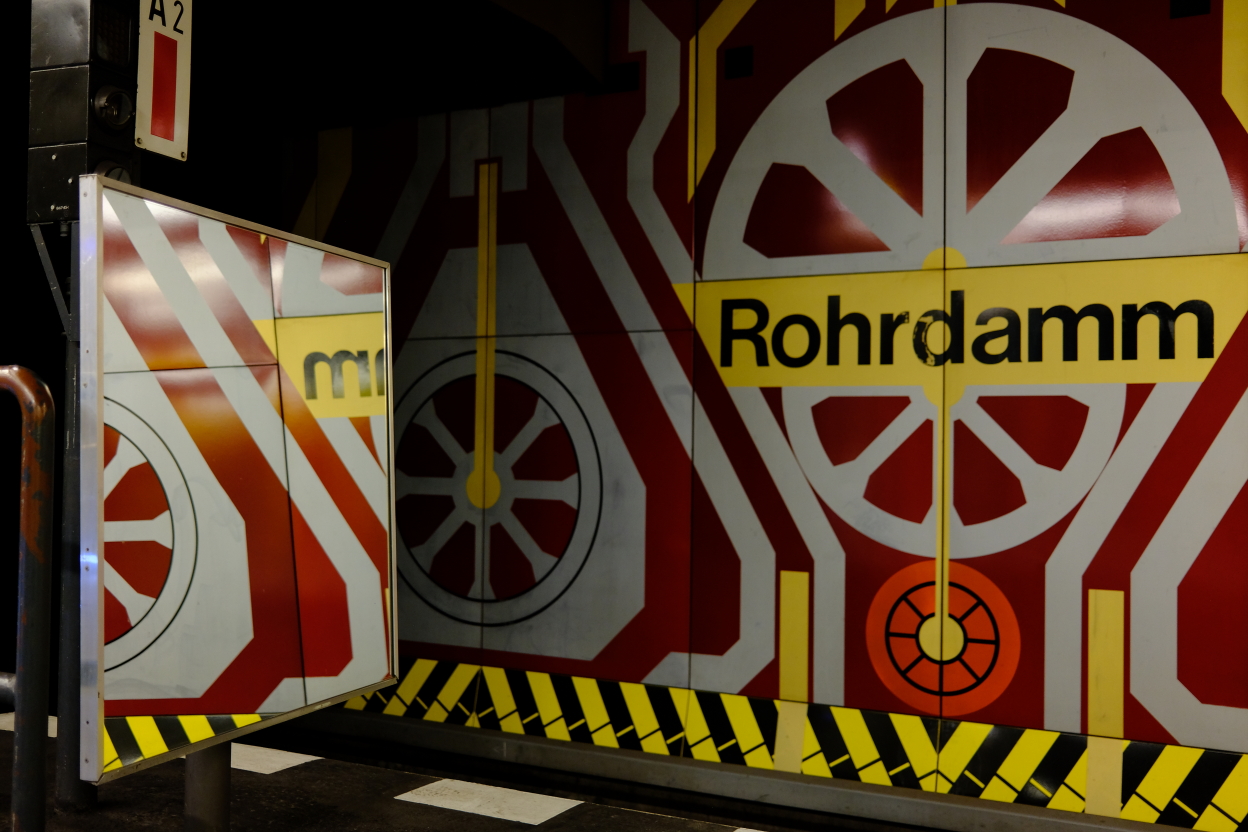
Rohrdamm, U7, 1980, a reminder of the industrial activities in the area above the station
The construction of the wall was to have a significant impact, with the GDR government cutting off all underground escape routes and therefore access to UBahn and SBahn tracks and stations from the very first days. Stations were closed, bricked up, destroyed, lines cut and some dismantled in the years that followed.

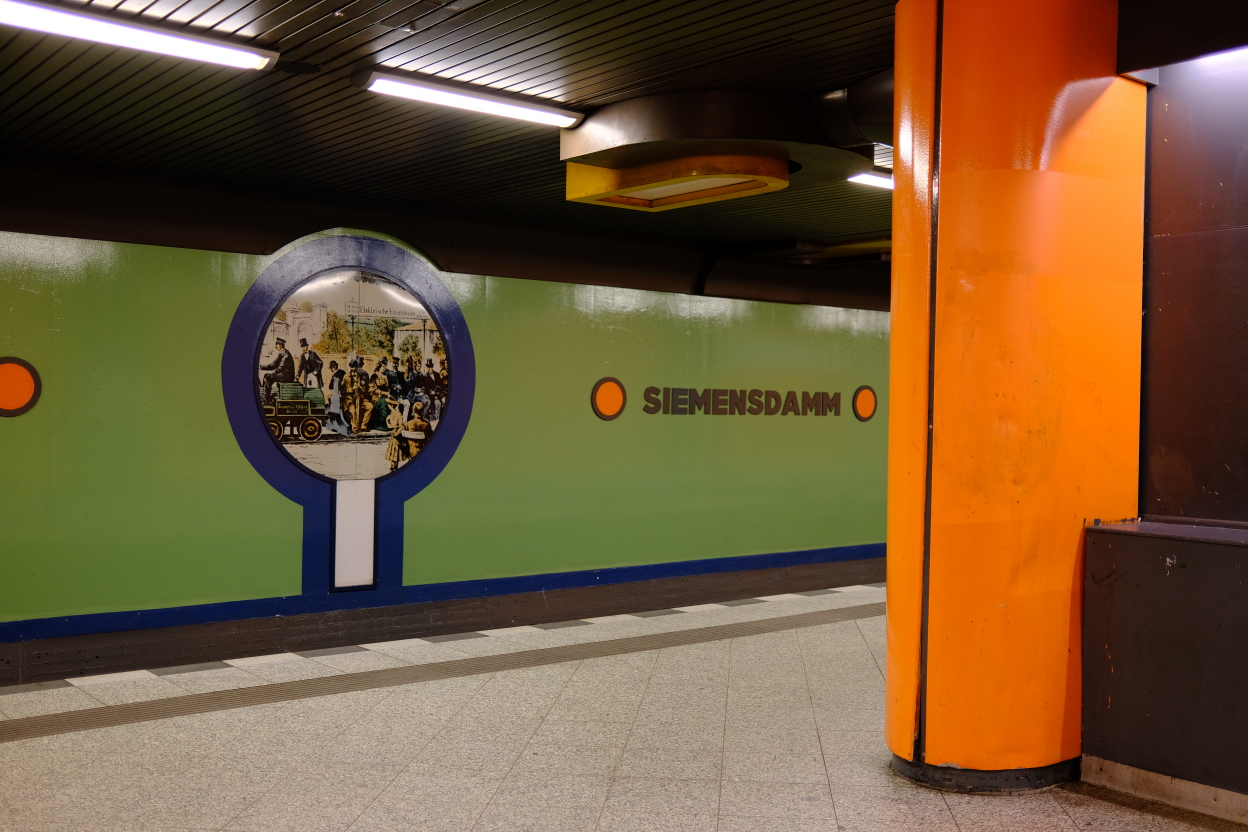


Siemensdamm, U7, 1980, like the previous station, this one reflects what is above ground: the Siemens factories.
From 1961 to 1989, the two networks developed independently. The West boycotted the SBahn managed by the East and developed the underground (Ubahn) and bus lines. The East will concentrate on the SBahn and the tram. Only two metro lines are east of the wall, part of the U2 and the U5.


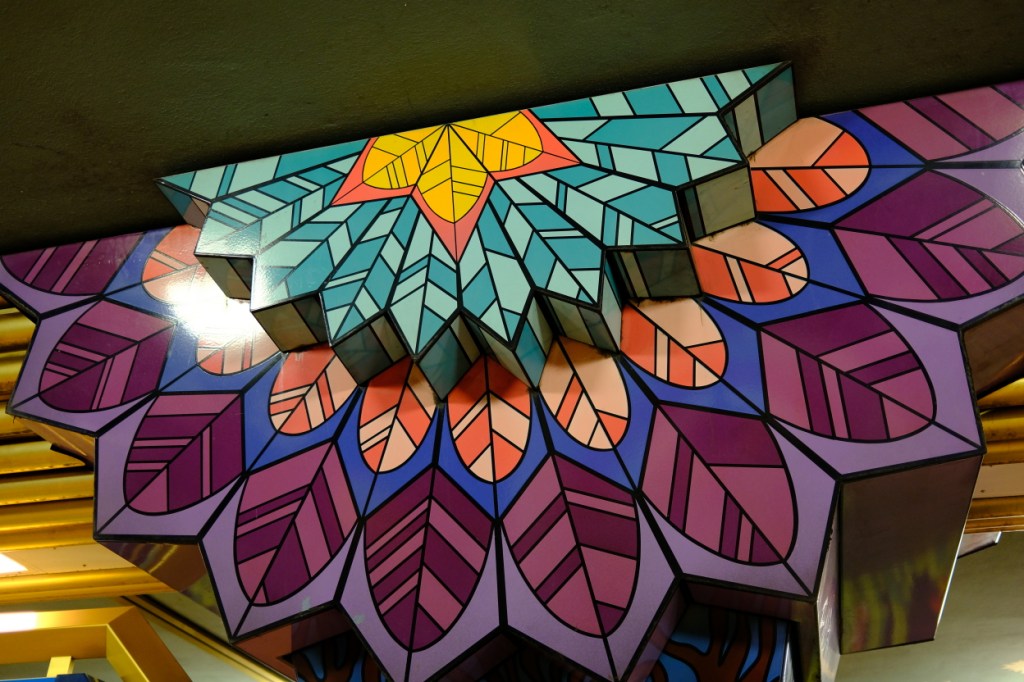
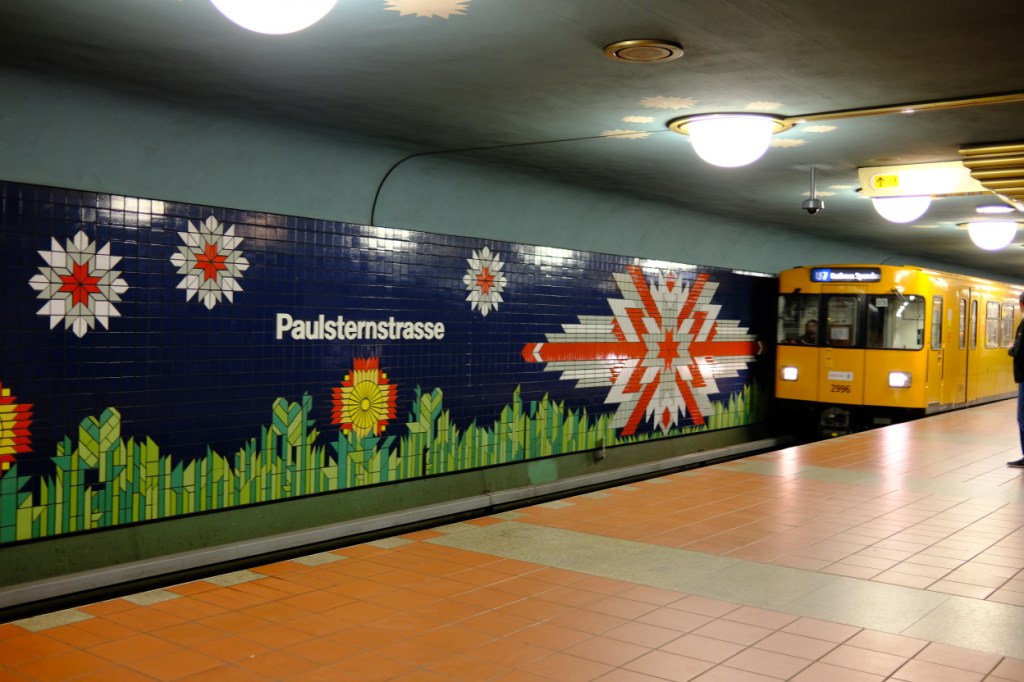

Paulsterstrasse, U7, 1984, probably the most extravagant of all
Reunification will mean reconnecting networks, reopening “ghost” stations and extending all transport networks.
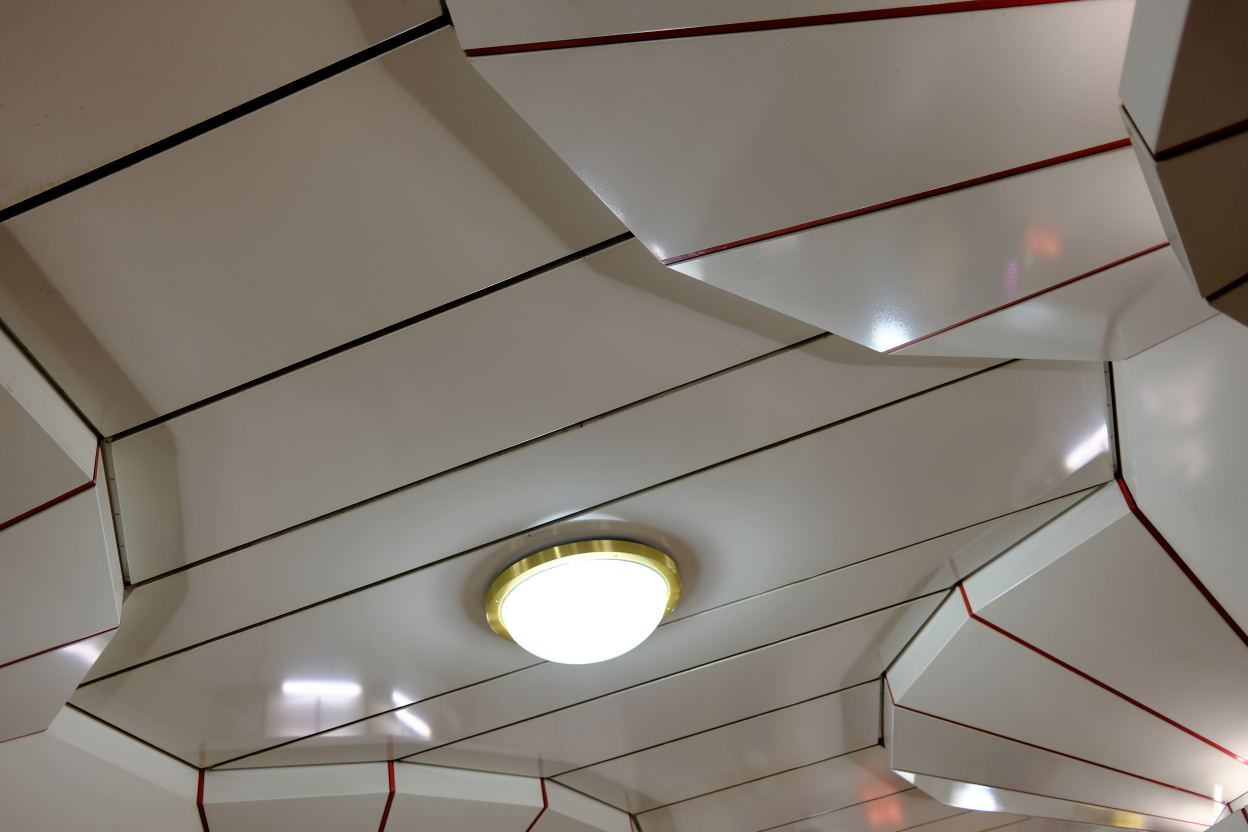
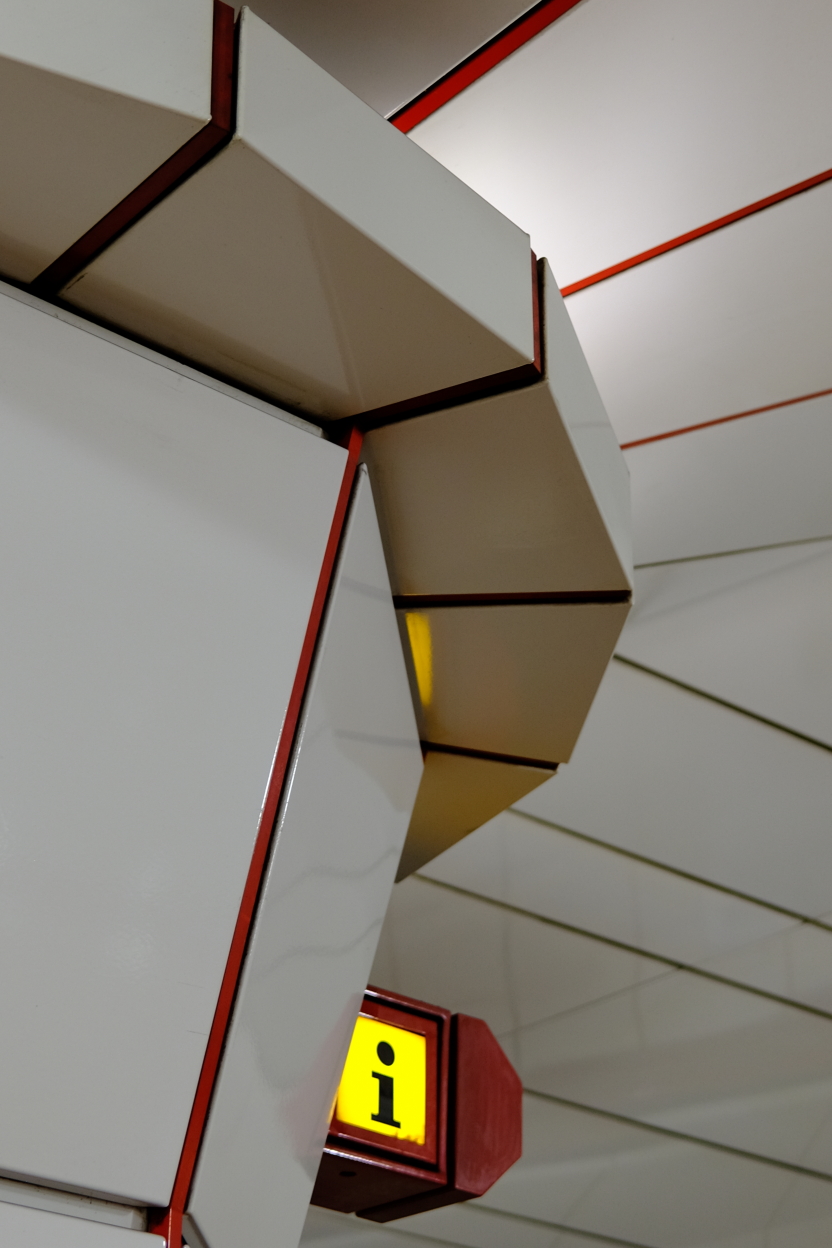


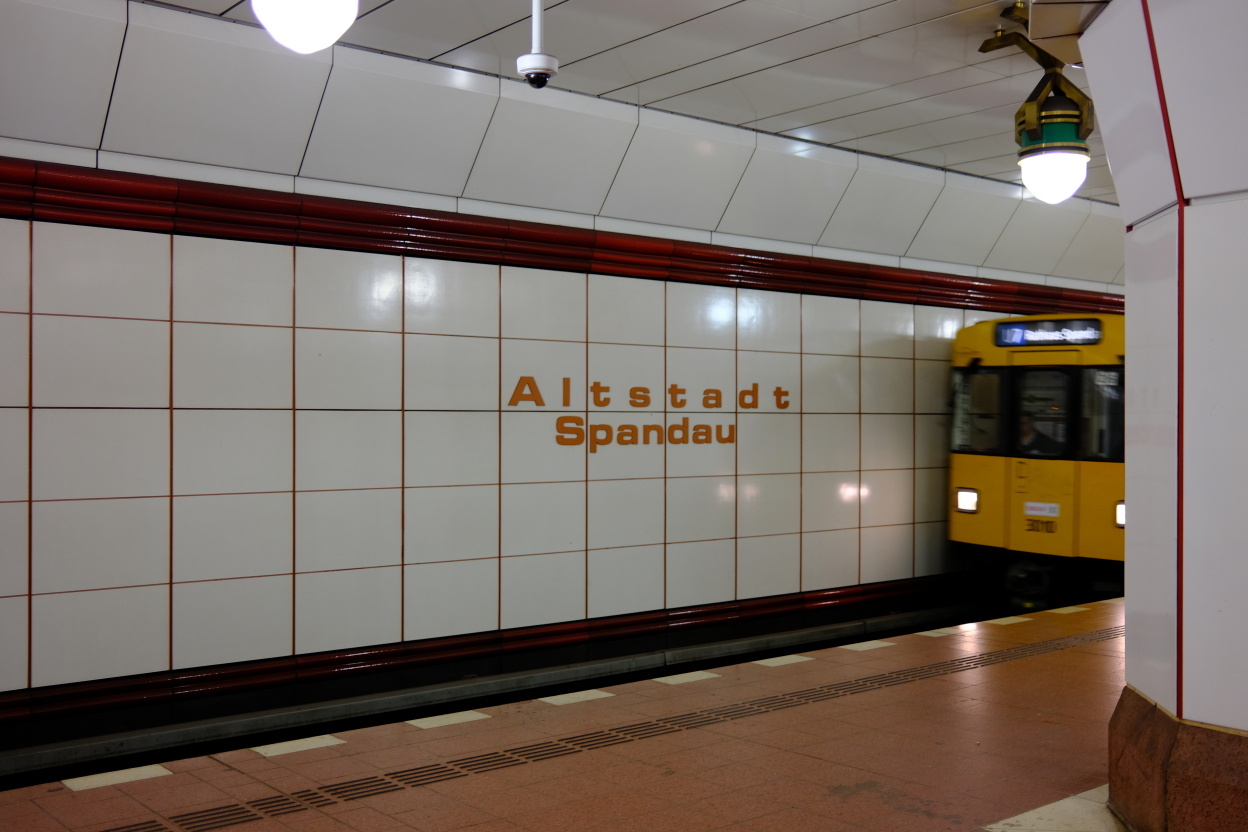
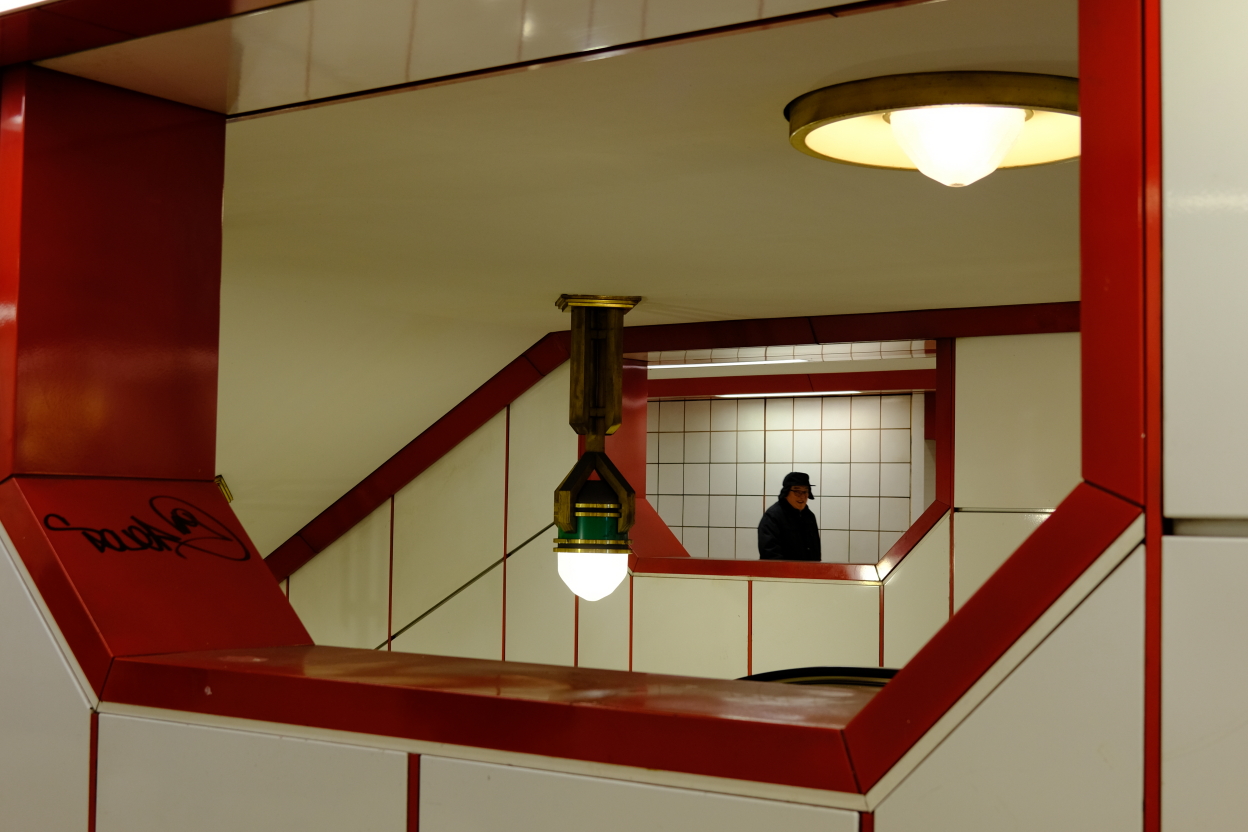

Altstadt Spandau, U7, 1984, my favourite, we’re almost at the end of the line and that’s the end of the journey for this post.
If you’re interested in this subject, I’ve covered it in other posts on Berlin’s U2 in Berlin and Alexanderplatz.
Rainer Gerhard Rümmler also designed the buildings of Checkpoint Bravo, one of the other emblems of Cold War Berlin, which I encourage you to rediscover here: Berlin Checkpoint Bravo.
 Où que ce soit ... Wherever it is