In the Schöneberg district is a building whose history reflects the contemporary history of Berlin, from the Prussian regime, to the Nazi regime and then from the Cold War to reunification.
This building, which houses the Kammergericht, the Berlin region’s constitutional court, dates back to the beginning of the 20th century, and was completed just before the outbreak of the First World War.
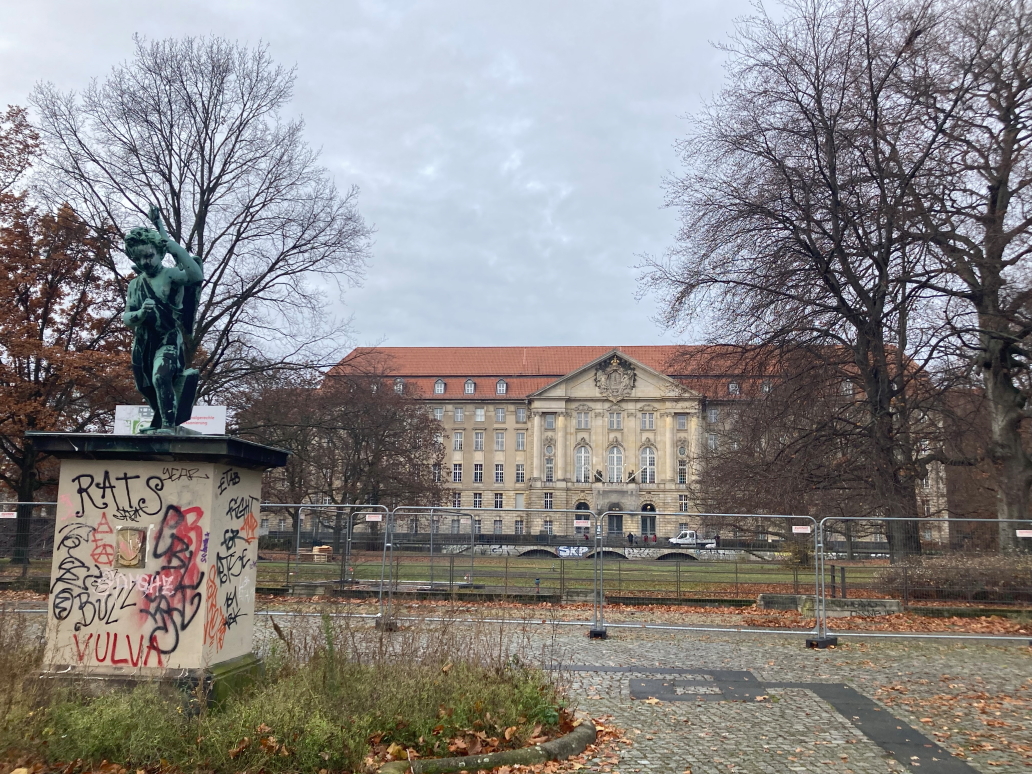
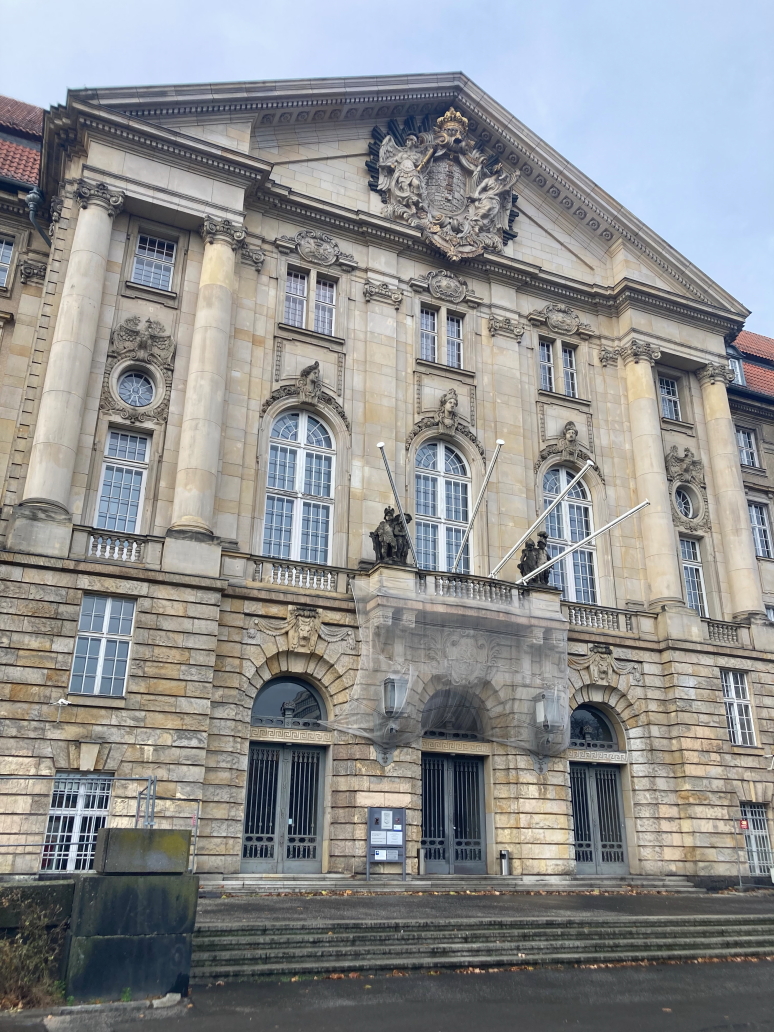
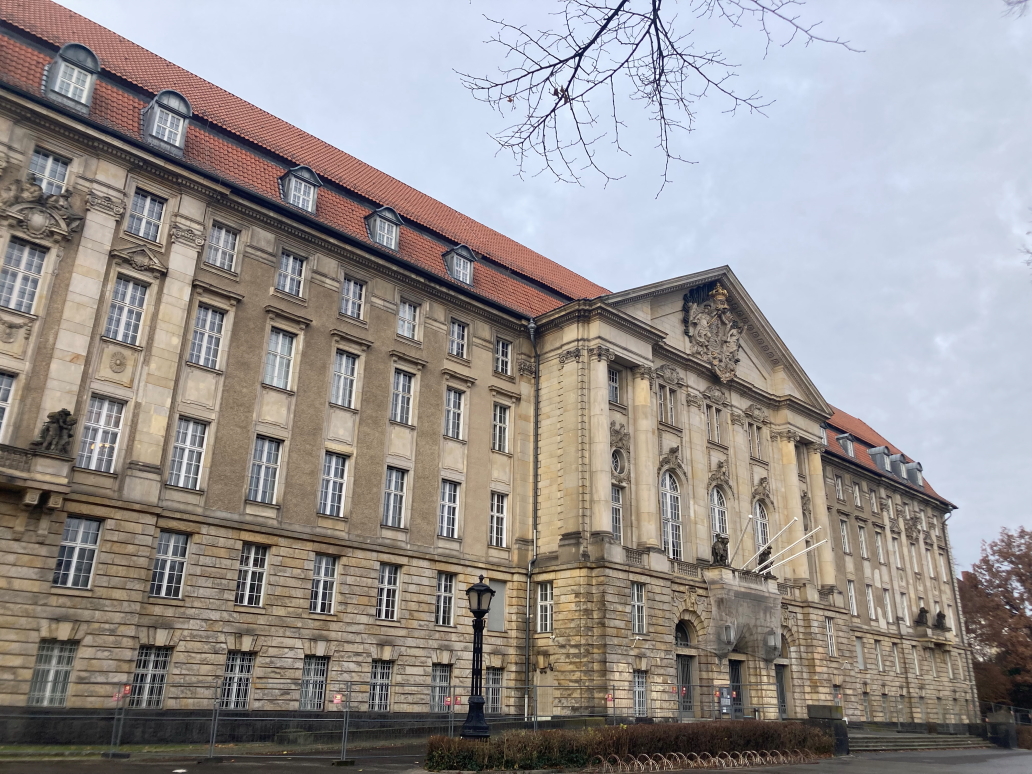
Neo-Baroque in style, it is a maze of rooms and corridors arranged around an impressive central hall.
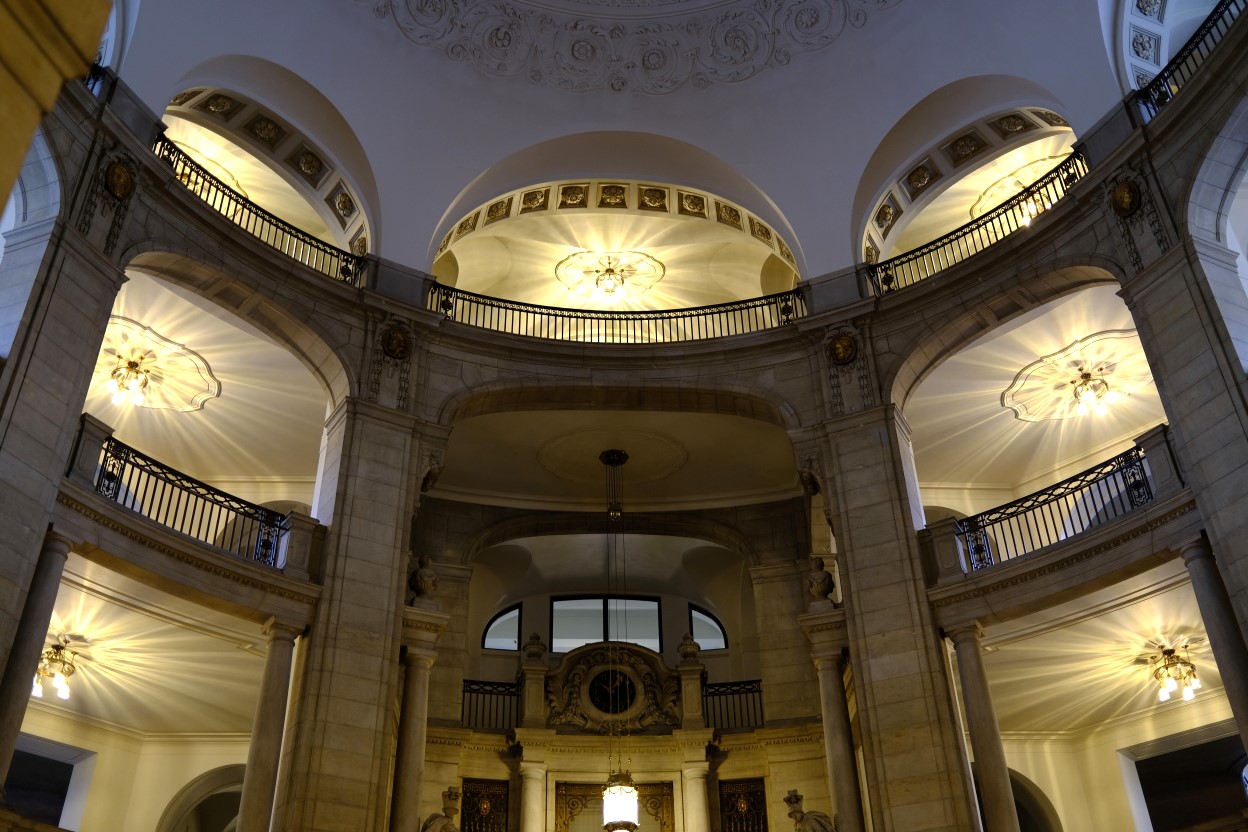


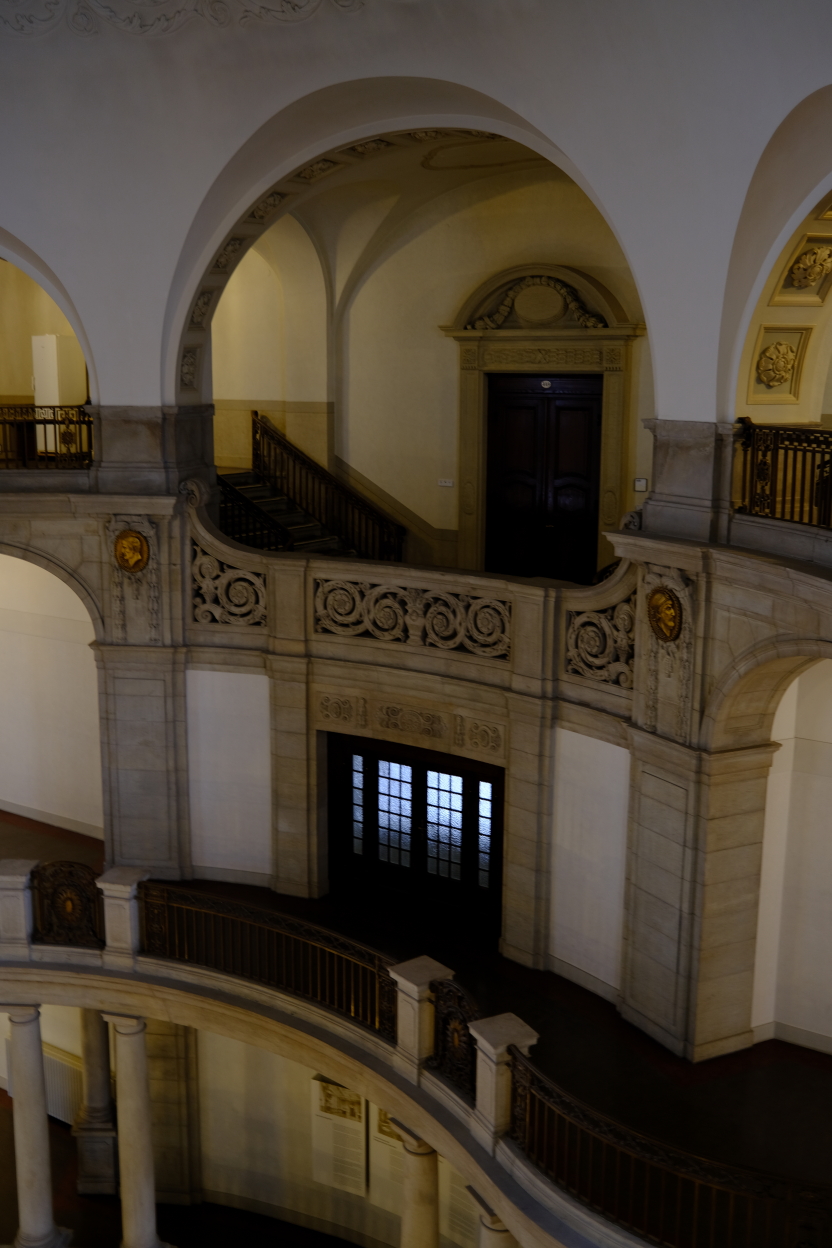
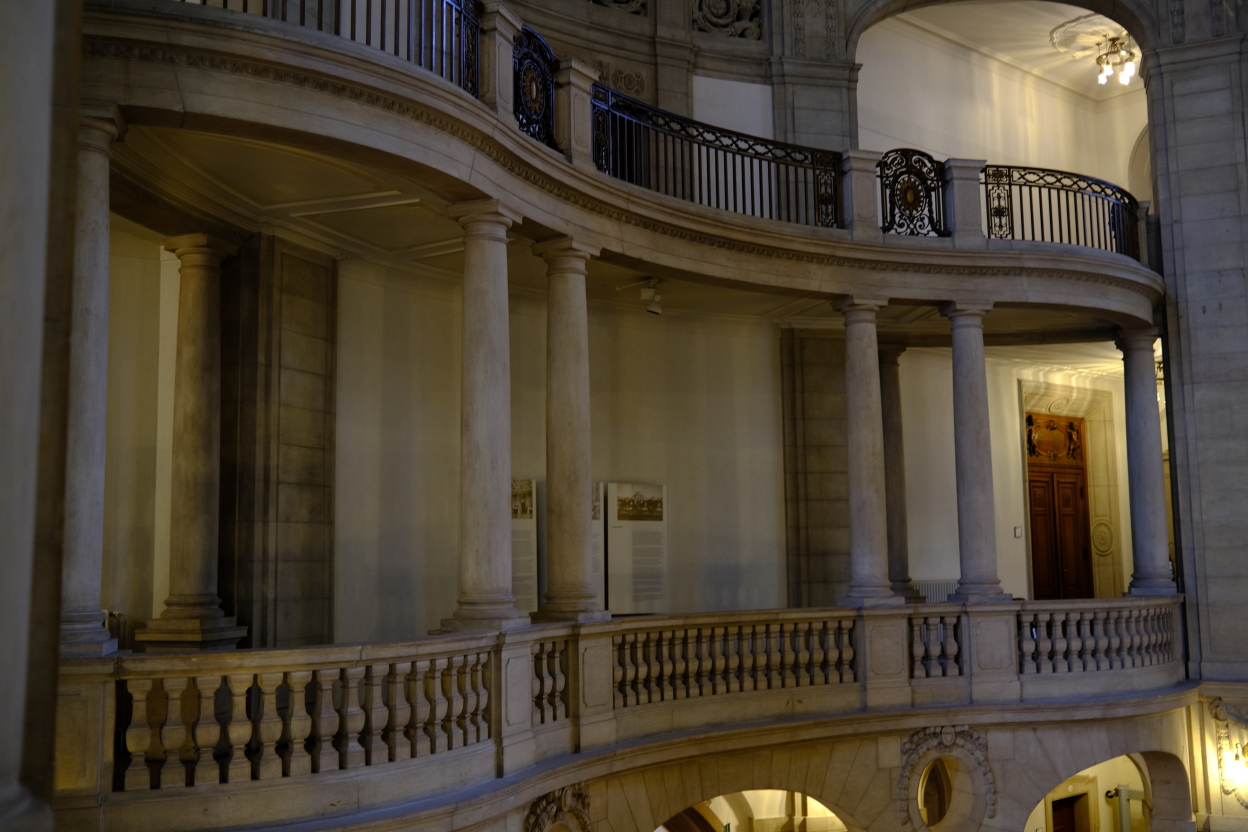
It stands on the site of the former botanical garden, the remains of which now form the Kleistpark. For those interested in today’s Botanical Garden and its greenhouses in particular, I recommend reading this post (Of glass and steel: Berlin Botanical Garden).
The Kammergericht has existed in Berlin for over 500 years, making it the oldest court of its type still in operation in Germany, but it is its recent history that interests us here, a symbol of the Nazi regime and then of the Cold War.
The plenary chamber was used by the People’s Court (Volksgericht) to try Hitler’s opponents from 1944 to 1945. The Nazi regime conducted mock trials, and more than 100 people were sentenced to death. These show trials were filmed for propaganda purposes. The presiding judge, Roland Freisler, made a name for himself with the violence of his words and his humiliating attitude towards the defendants. In February 1945, during an American attack, he was killed by a bomb in this courtroom.
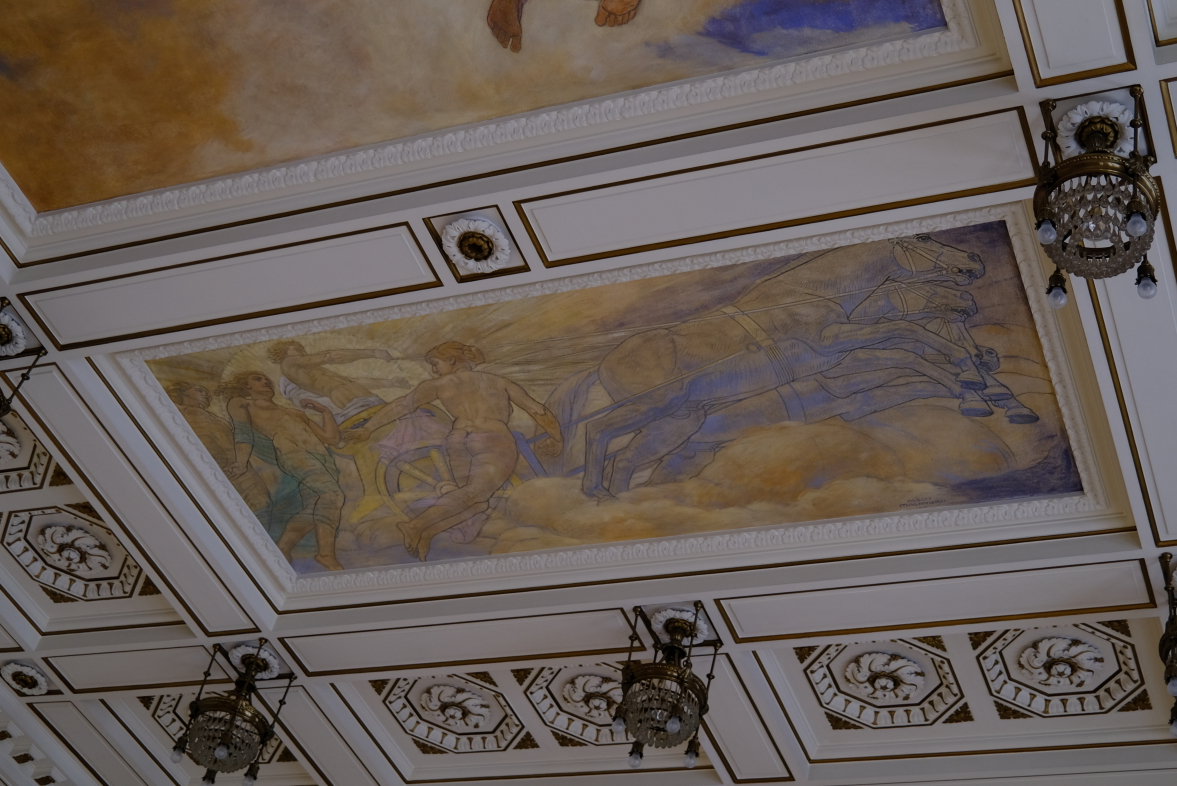
Explanatory panels can be found in this room today, giving a long list of those convicted. The paintings on the ceiling of this room also deserve our full attention.


In October 1945, the four Allies set up the International Tribunal to judge Nazi crimes. The trials were subsequently held in Nuremberg.
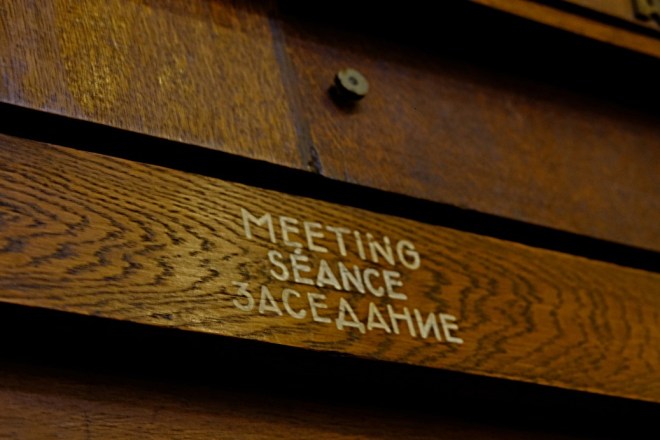
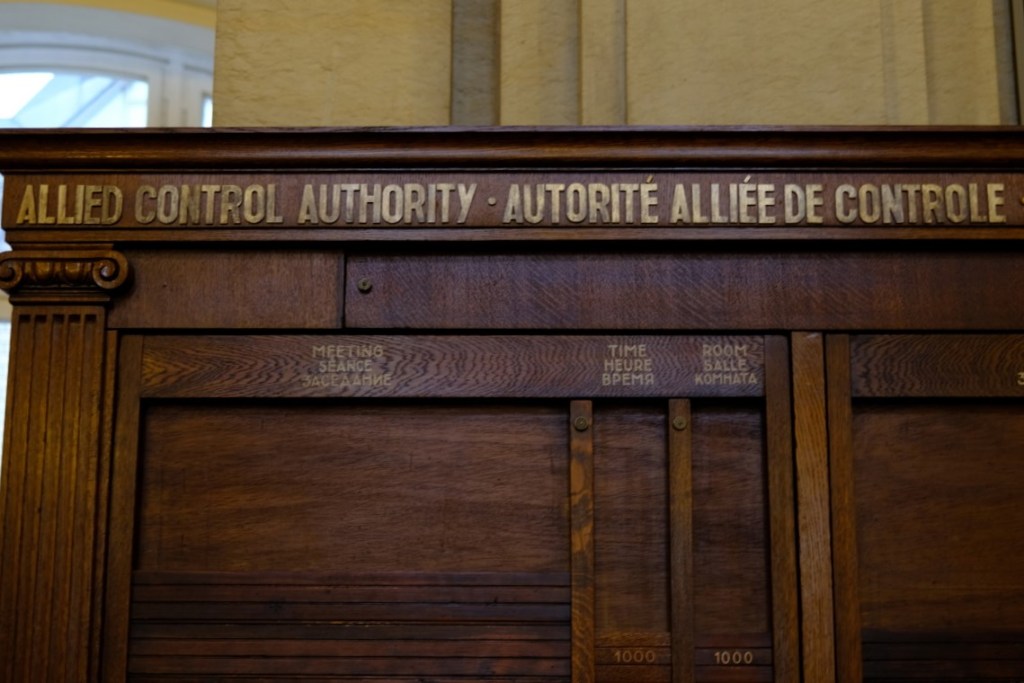
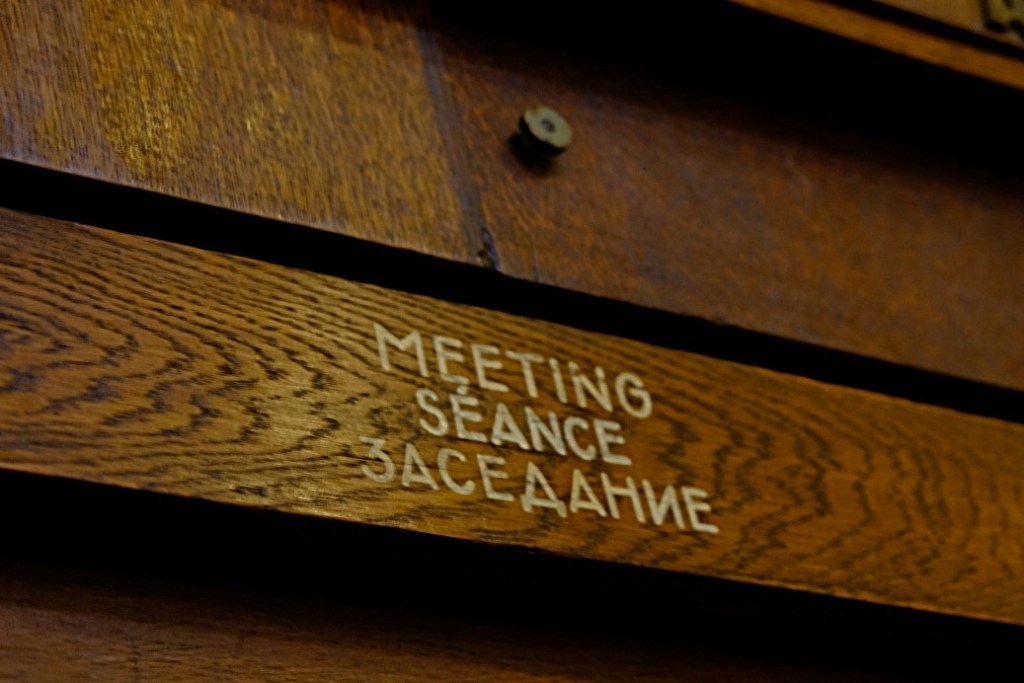
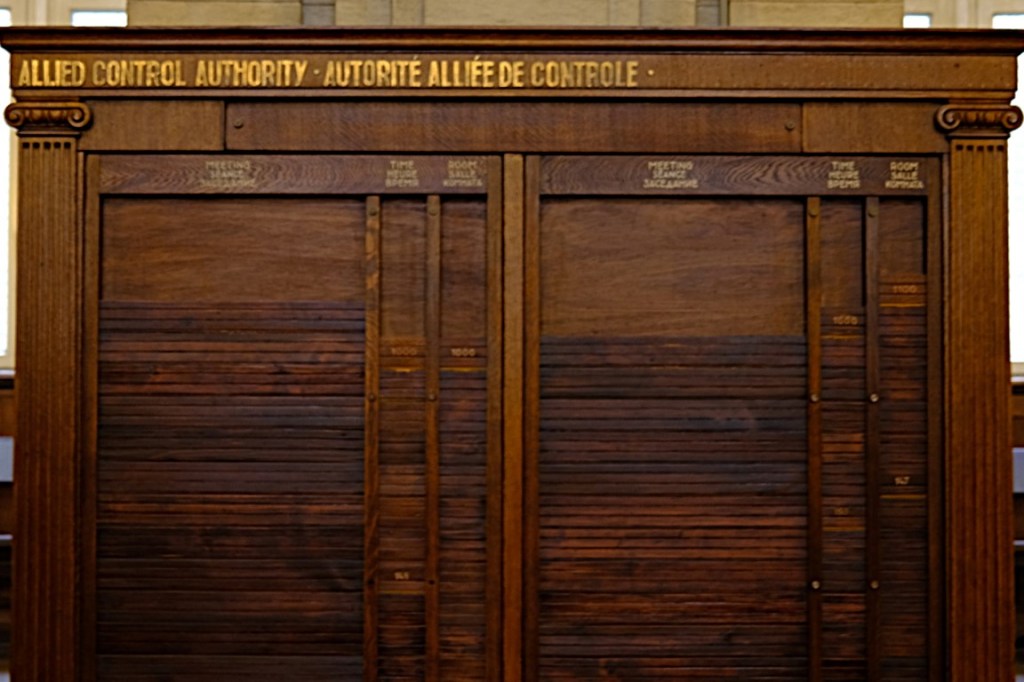
From 1945, the occupying powers – the USSR, USA, England and France – set up the Allied Control Council here. It was here that the four military representatives of these countries met to administer the city until 1948. You can still see a piece of furniture from this period bearing signs in the three languages (well, almost, as some parts in Russian no longer exist today):
All decisions were taken unanimously and relations between the former allies soon became strained. In reaction to the decision to make the western part of Germany an independent republic, the Soviet representative withdrew on 20 March 1948.
The land blockade of Berlin began on 24 June 1948 with the announcement of the introduction of a single currency, the Deutsche Mark, within the three Western zones.
The Council of the Allies ceased to meet on that date, but the site was to continue to be used by the four powers throughout the Cold War, as the headquarters of the Luftsicherheitszentrale, Berlin’s air security service. This made it, along with Spandau prison, one of only two sites in West Berlin administered by all four powers.
Any military or civilian flight coming from the West into the air corridors had to be reported 40 minutes before flying over GDR territory. This system remained in place during the Berlin Airlift in 1948!
The Constitutional Court for the Berlin region returned to its historical premises in 1991: Kammergericht.
 Où que ce soit ... Wherever it is