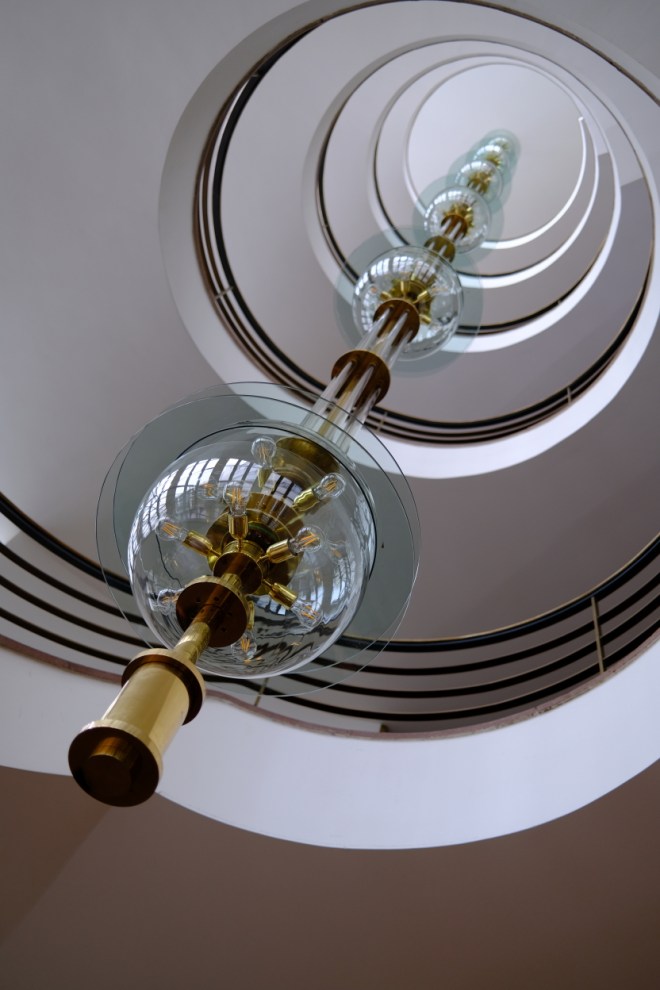
Another architectural marvel from the 1920s in Berlin, a building designed by Erich Mendelsohn and Rudolph Reichel.
The foundation stone for this building was laid in 1929, a few months before the start of the Depression. It was inaugurated just over a year later, after some delays, in August 1930. It was commissioned by the Deutsche Metallarbeiter-Verband, which later became IG Metall, the trade union representing the interests of metalworkers.
Like many other Berlin buildings, its history during the 20th century reflects the vicissitudes of the city. The National Socialist government came to power in 1933 and used it to house the Deutsche Arbeitsfront.
It was hit by bombs during the Second World War and partially destroyed by fire in 1945. It remained empty for many years, and it was fortunate that it was not razed to the ground.
It was restored in 1952, but its out-of-the-way location – not far from the Wall – did it no favours. After the fall of the Wall in 1989, its architectural character was recognised, and a new renovation in 1995 restored it to its original appearance. Today, it is home to IG Metall, the Berlin, Brandenburg and Saxony branch.
Its exterior is notable for its concave facade and large windows, so typical of modernism in Berlin from the late 20s to the early 30s.

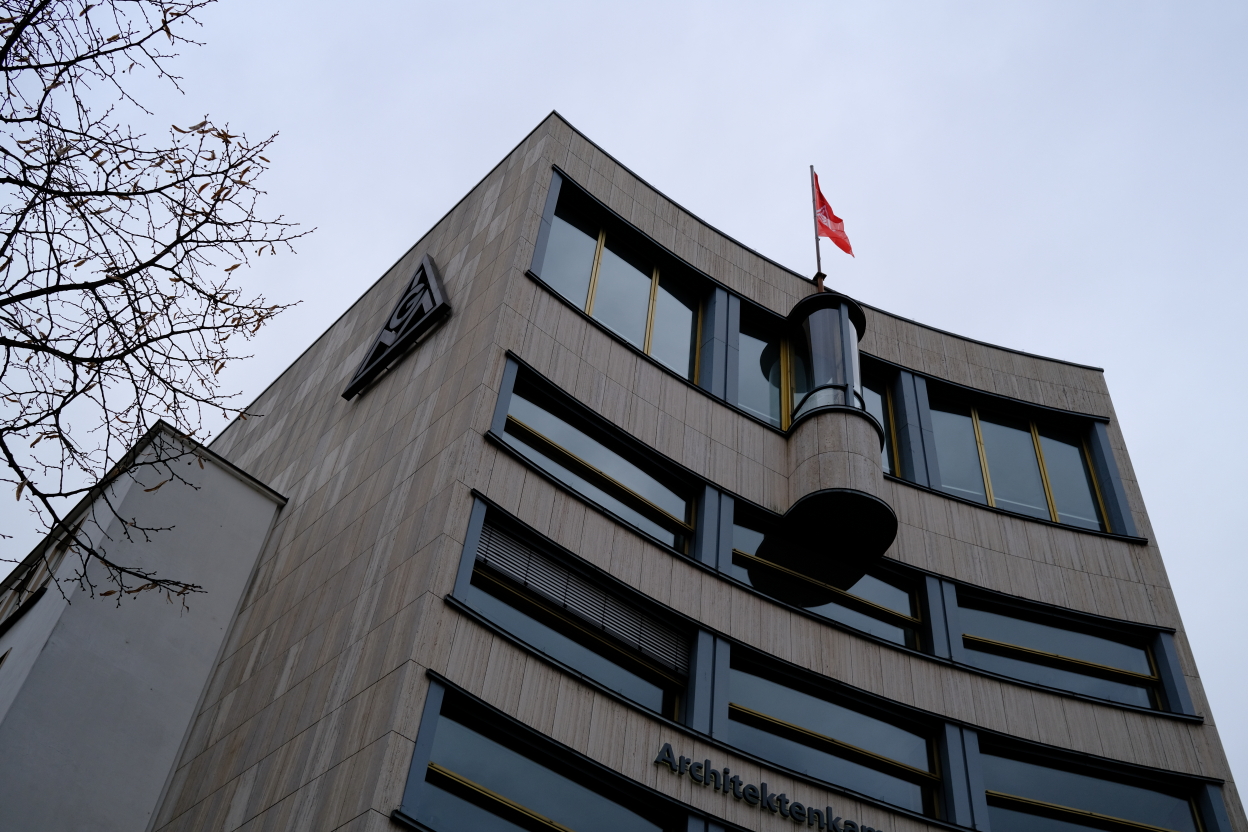
Its main entrance is also very characteristic, with a strong presence of metal!


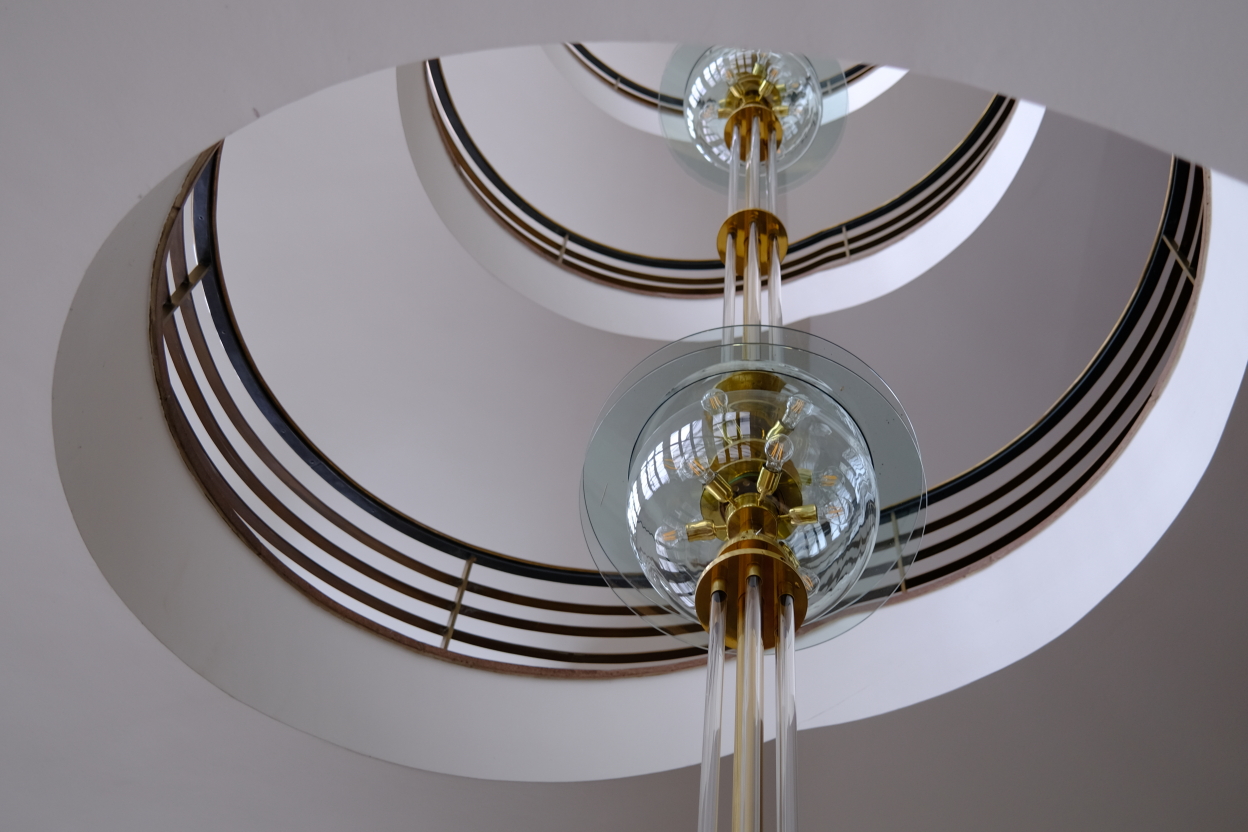
On working days and during office hours, you can enter the lobby, where there is a small exhibition on the history of the building. Entering this building is well worth the effort, as it is here that you can admire its staircase and, above all, its modern glass and metal lustre.


Mendelsohn, a Jewish architect, fled Germany for England in 1933 and emigrated to the United States in 1941. He designed many buildings in Germany, the USA and Israel.
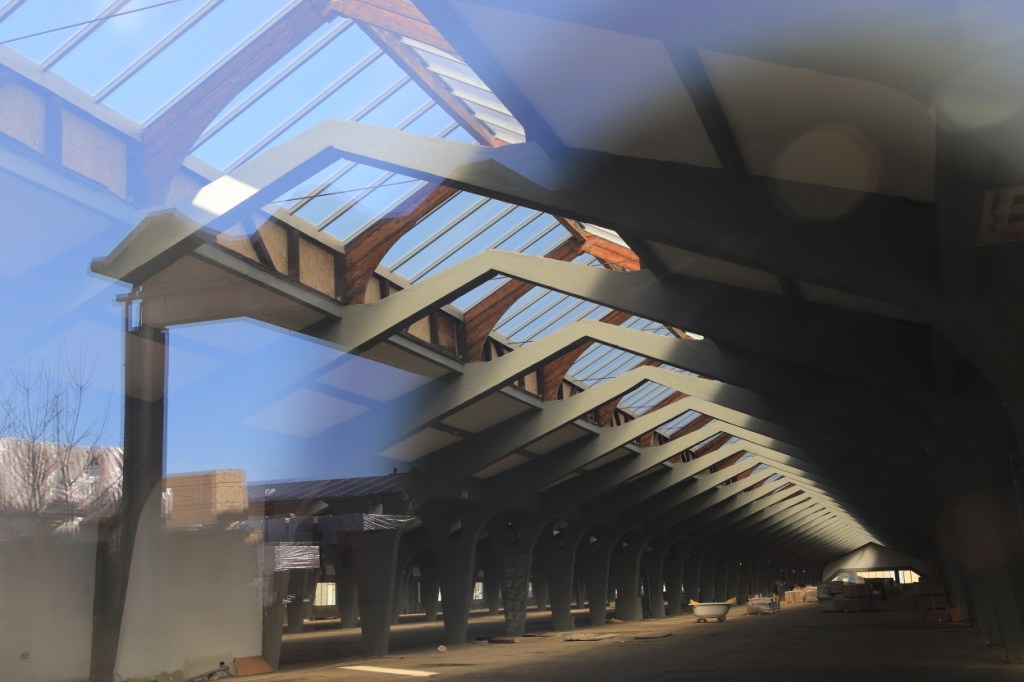
Many of his buildings can be found in and around Berlin, Chemnitz, etc. I encourage you to look for them if you visit these cities, you will find buildings that are different from one another. Near Berlin, you can see this expressionist building that once housed a hat factory in Luckenwalde:


I also covered another of these works in this post on Breslau: https://wherever-it-is.com/2022/07/15/wroclaw-breslau-two-names-for-one-city-part-2/
Enjoy your visit!
 Où que ce soit ... Wherever it is