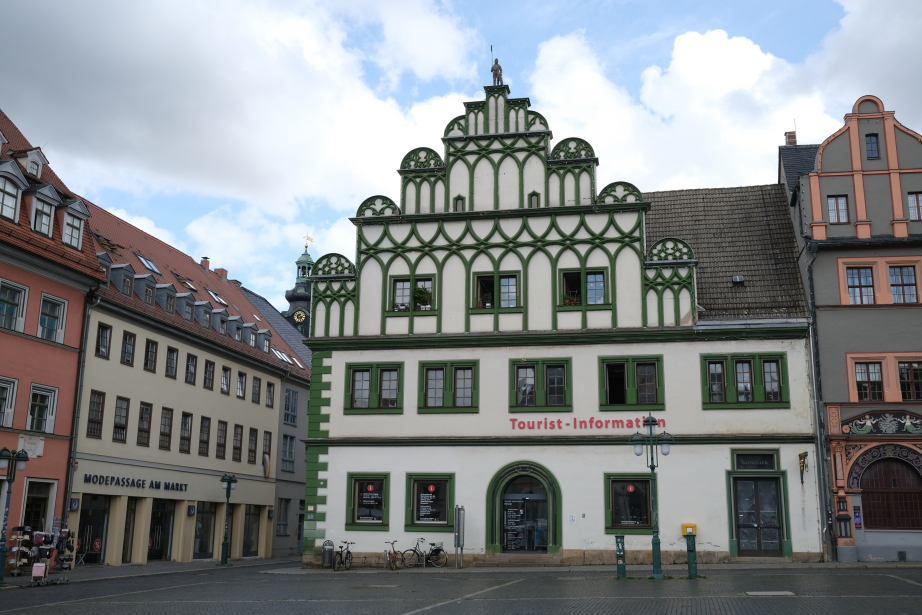
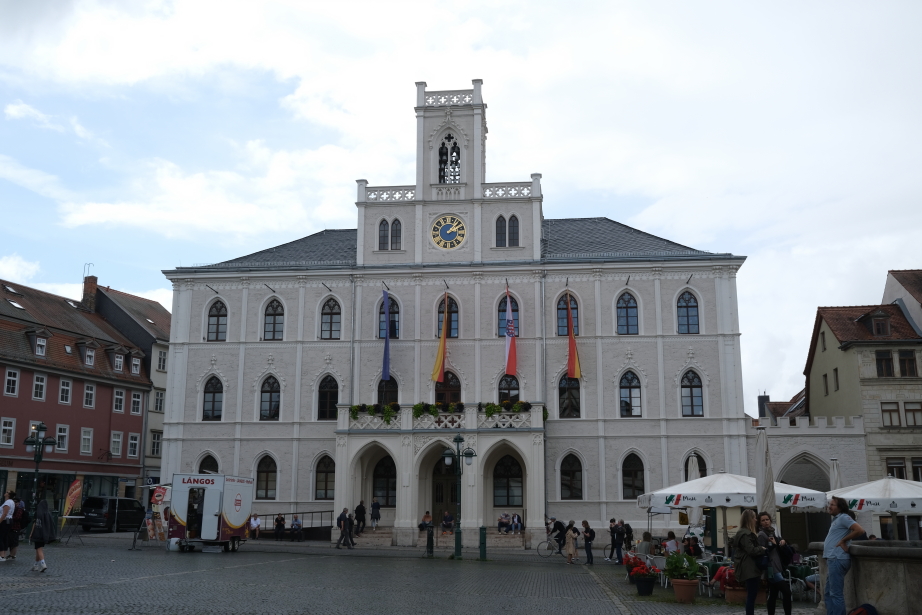
Weimar is a small town in Thuringia, the smallest German state if you exclude the city states (Bremen, Hamburg and Berlin). It’s a pretty provincial town that’s famous for many reasons.
Firstly, for its classical past, with Goethe and Schiller living here, followed later by the musician Frantz Litz and, a little later still, Nietzche, who spent his last years here.
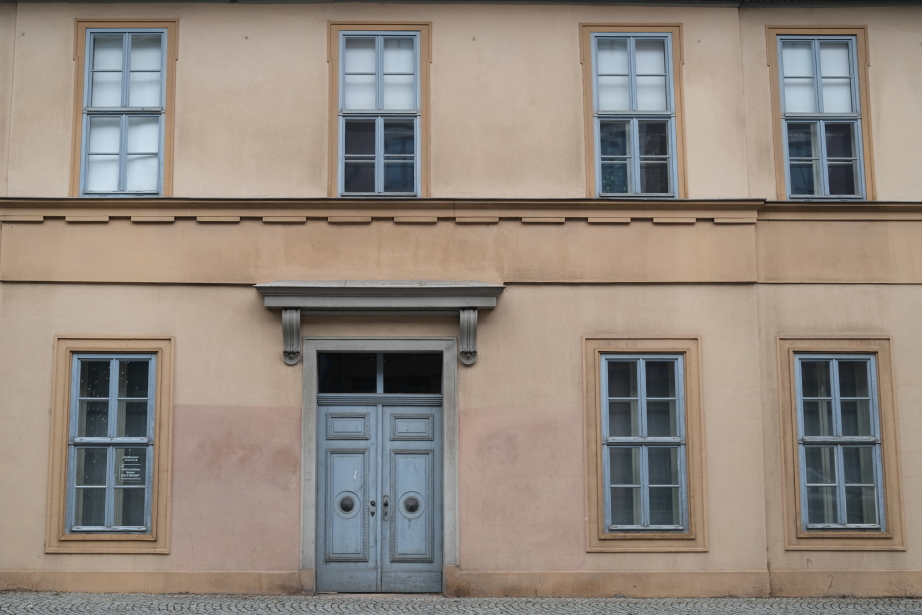
From these culturally rich periods, you can still see beautiful buildings in the town centre and numerous villas around the Parc an der Ilm, a magnificent park.

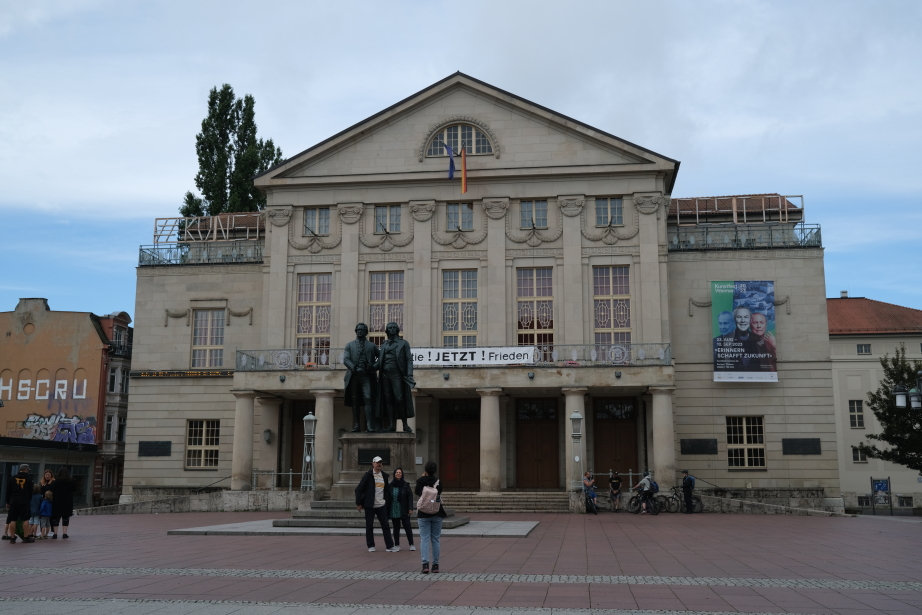


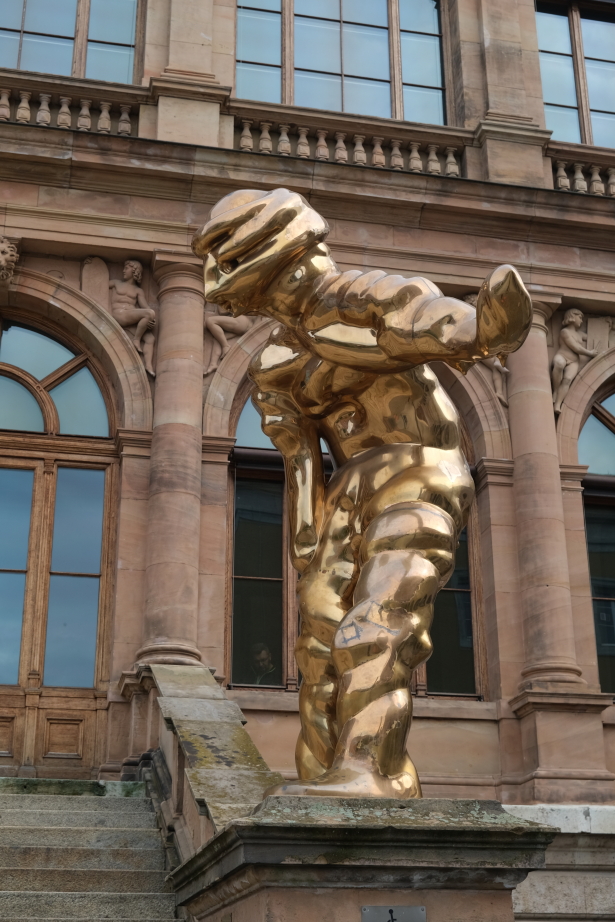

Weimar is also famous for its 20th century. In 1919, the city became the seat of Germany’s first republic, the Weimar Republic, which disappeared in 1933 when the National Socialist Party came to power. The Weimar Republic was an important period for German democracy between the wars.
The Nazi movement left an important architectural mark here, with a very large complex, like those found in Nuremberg, used to host mass demonstrations, the Gauforum, in a style inspired by Roman antiquity.
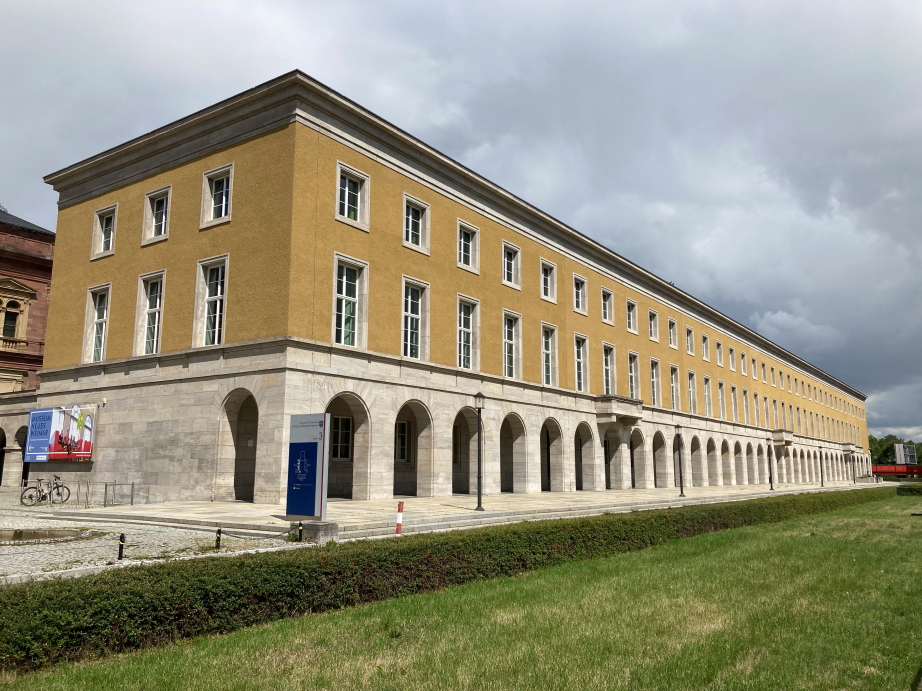
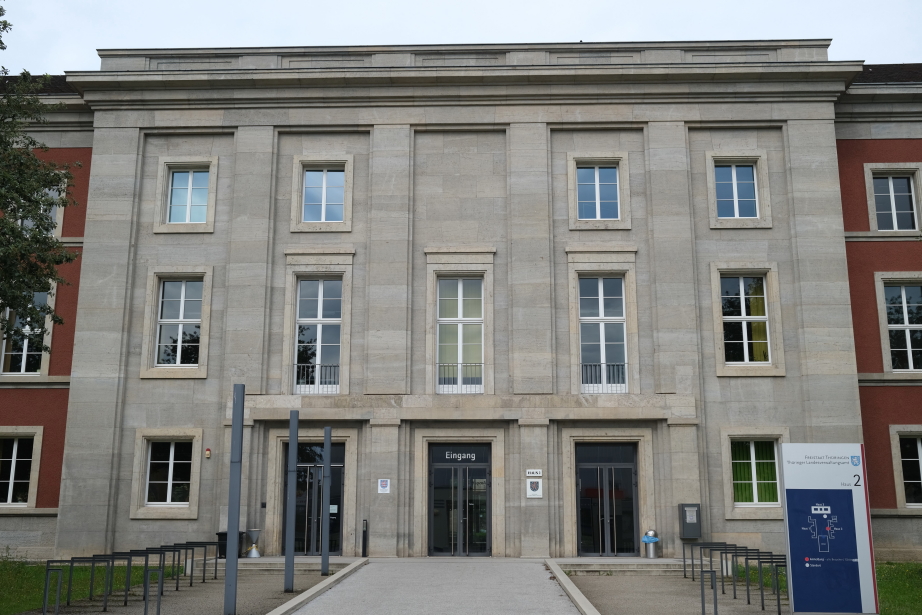
In 1919, Walter Gropius founded the first Bauhaus school in Weimar, before moving to Dessau and then Berlin under pressure from conservatism and anti-modernism.
Three buildings in Weimar are listed as UNESCO World Heritage Sites under the heading of Bauhaus.
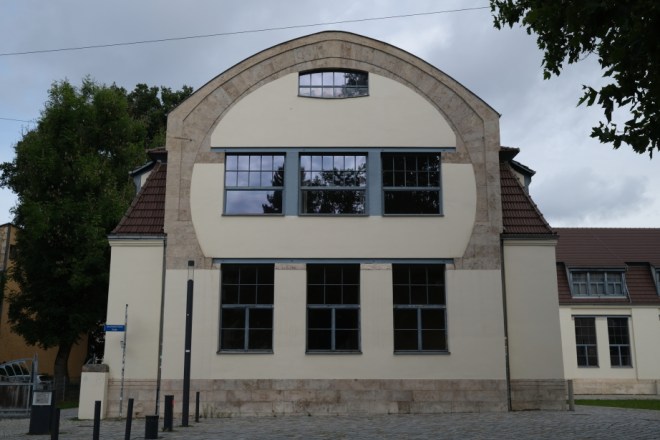
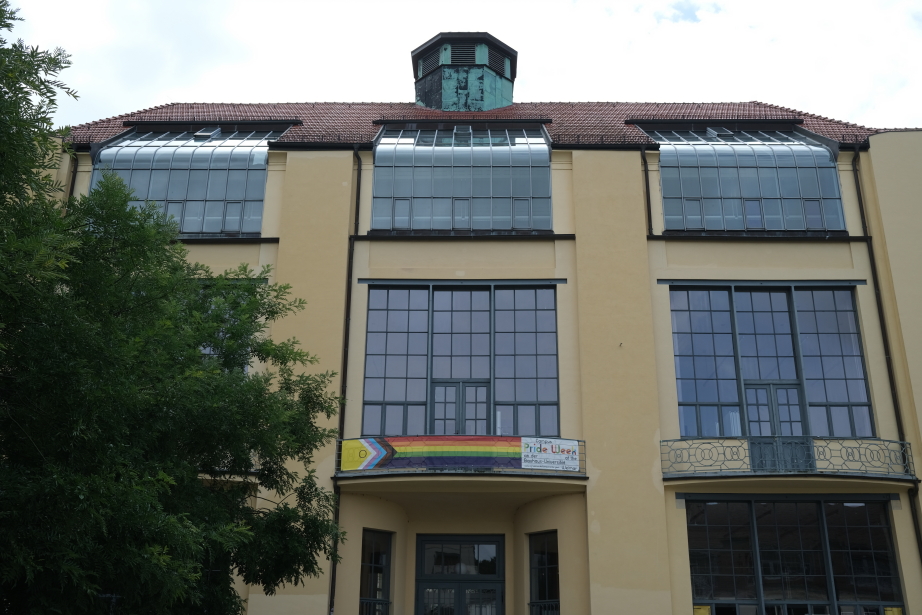
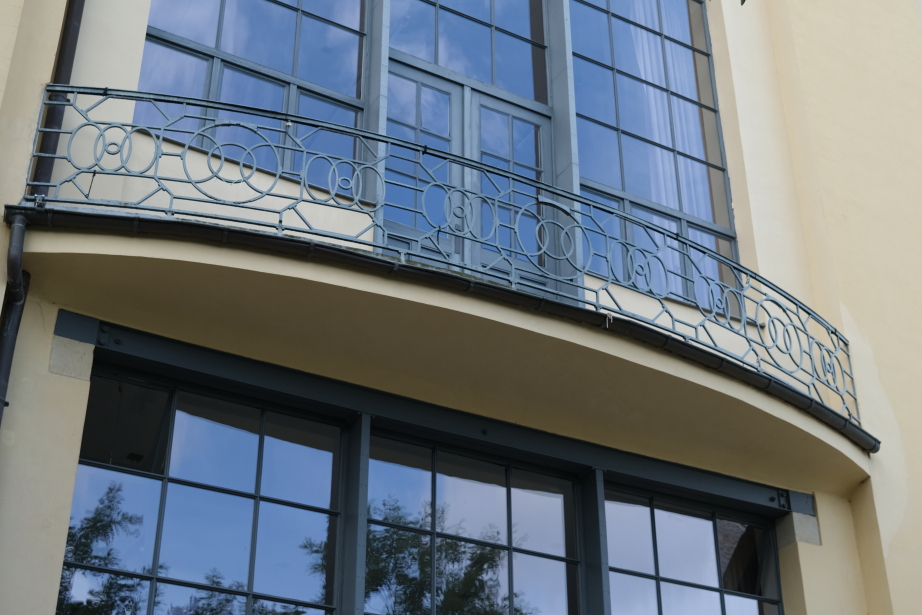
The premises used by the Bauhaus from 1919 until 1925 were those of the School of Fine Arts of the Grand Duchy of Saxony and those of the School of Applied Arts. Both were built by a Dutch architect, Van de Velde, in the Jugendstyl style, between 1904 and 1906 and in a second phase at the time of the First World War.
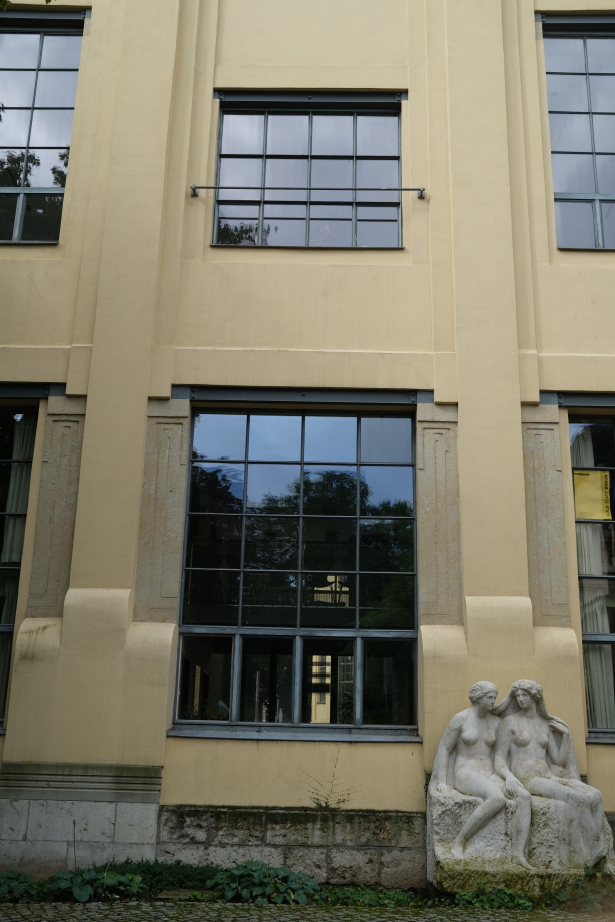
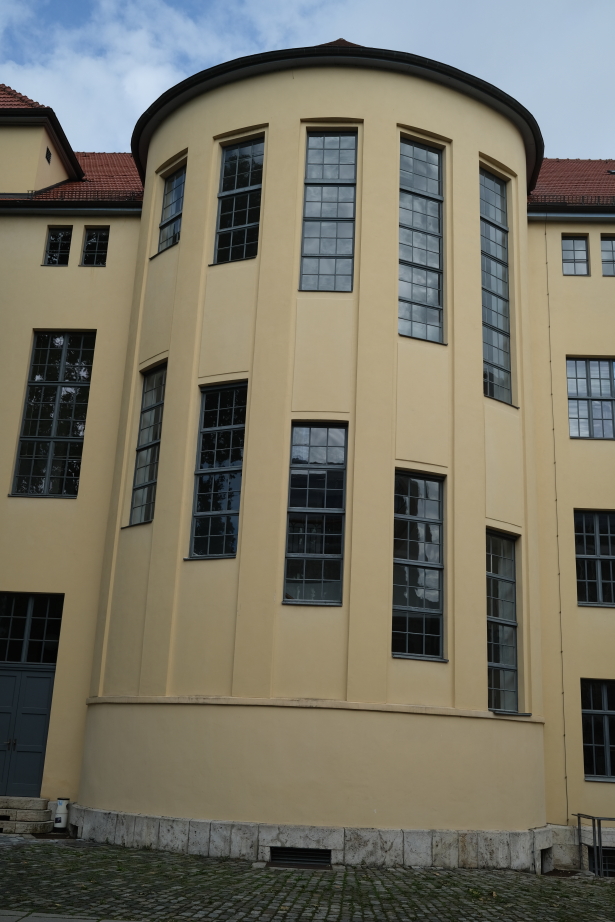
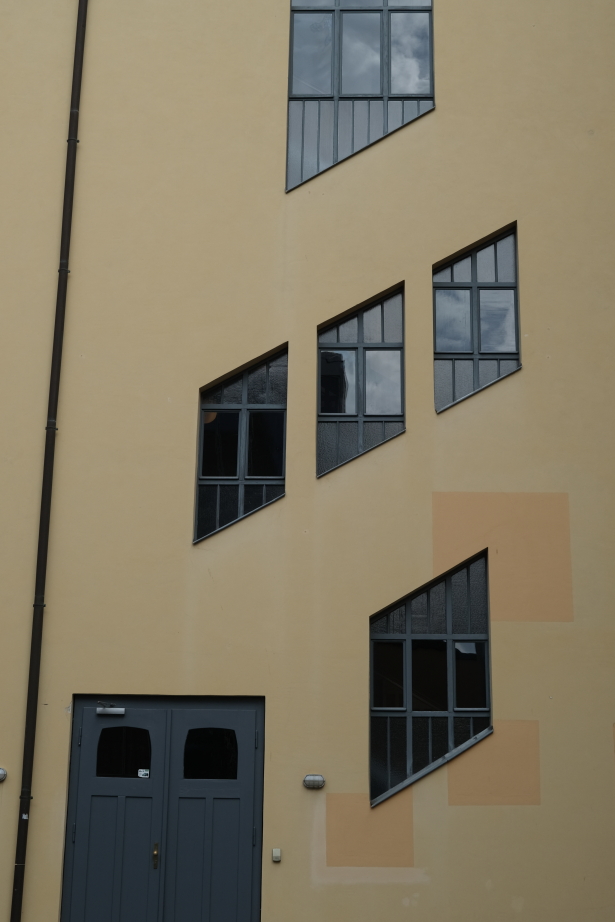
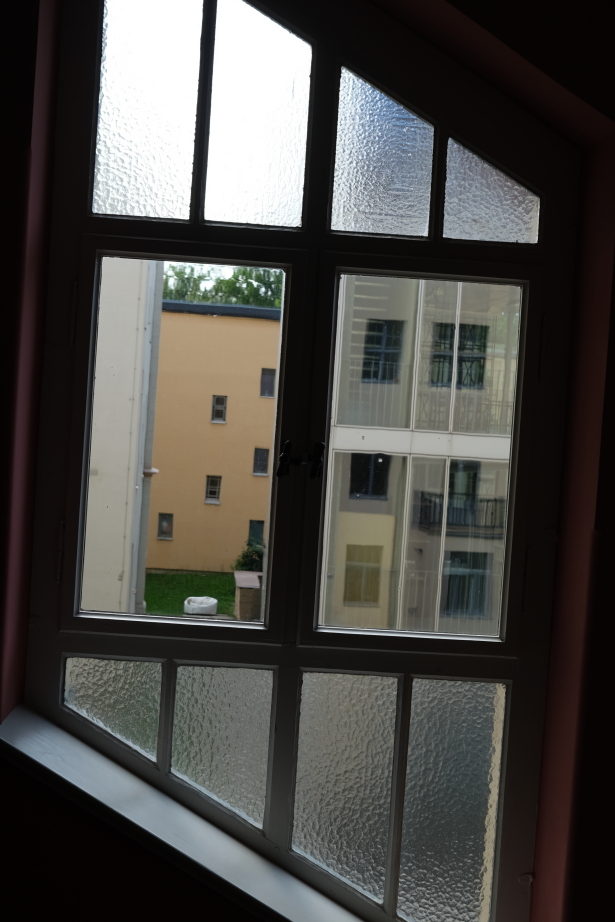
The main building is the School of Fine Arts building, which you can enter (unfortunately, the director’s office was not accessible at the time of my visit). It’s a tall building with large areas of glass.
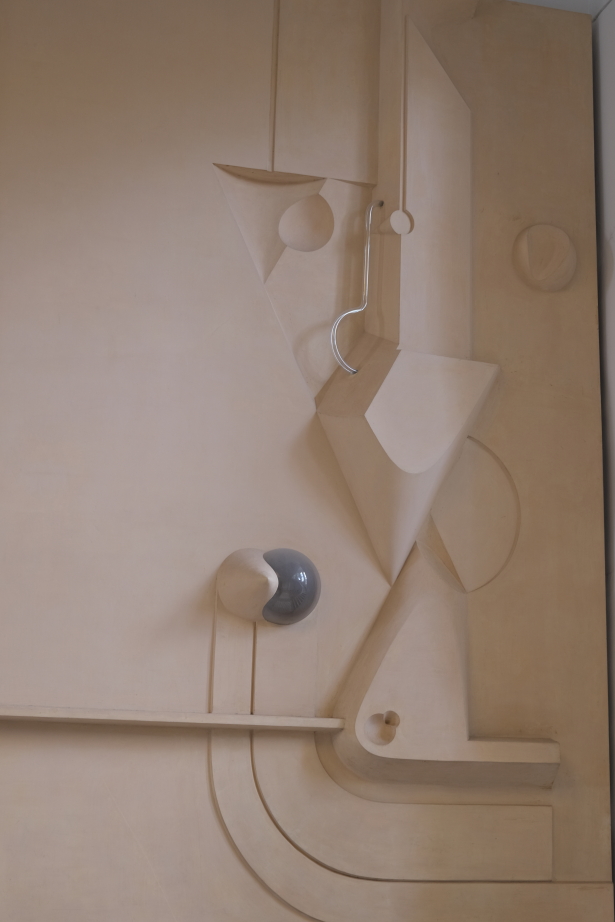
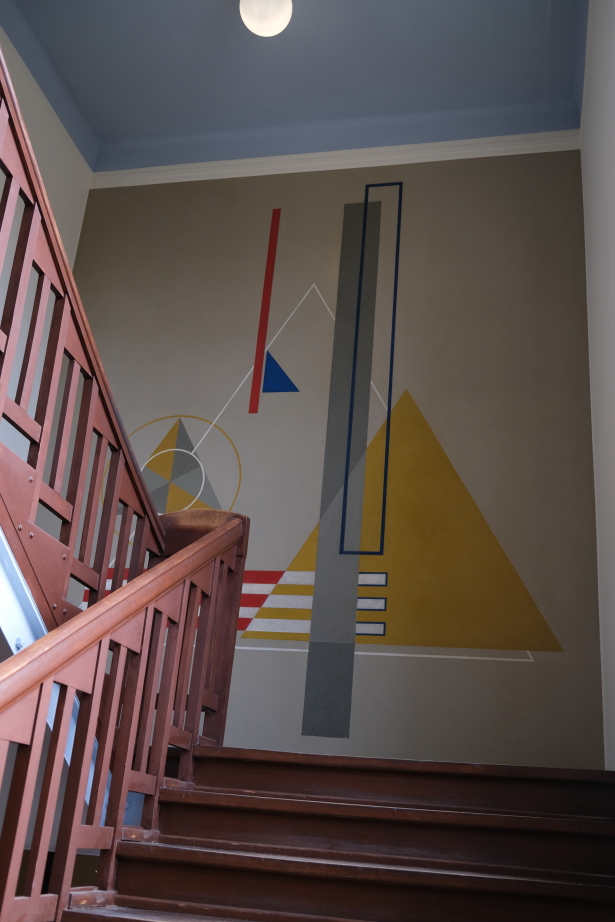
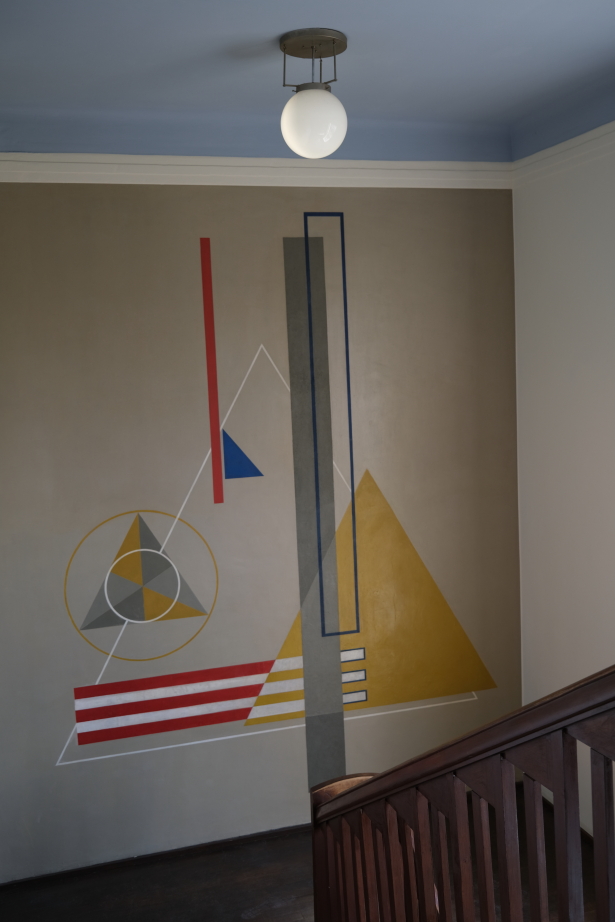
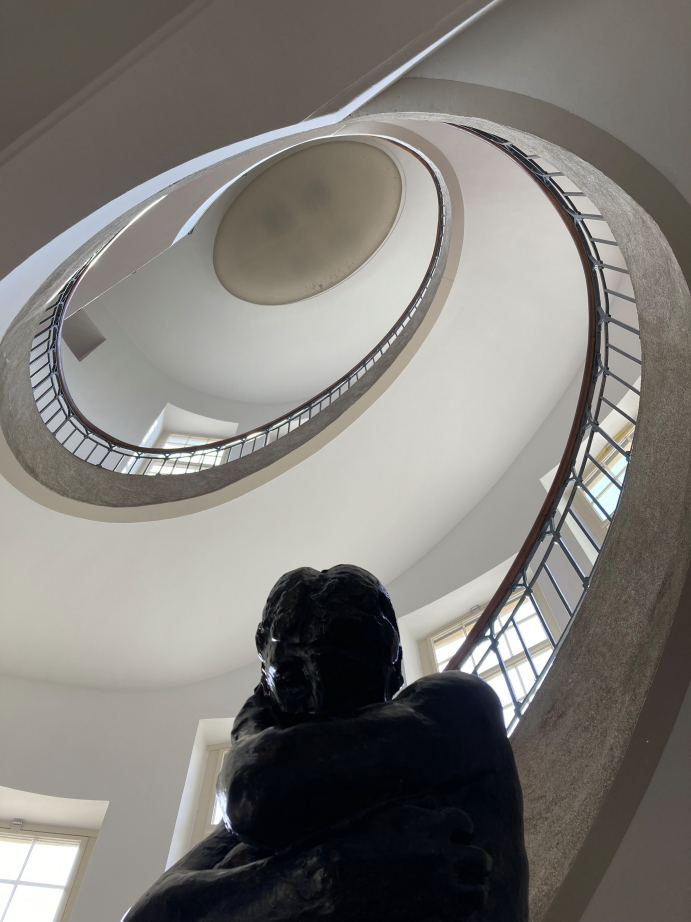
The Bauhaus has left its mark on part of the interior, notably through the beautiful murals on one of the staircases in the wings, while the central staircase is more ‘classical’, with its height and gentle shapes around a beautiful statue that greets us at the entrance.
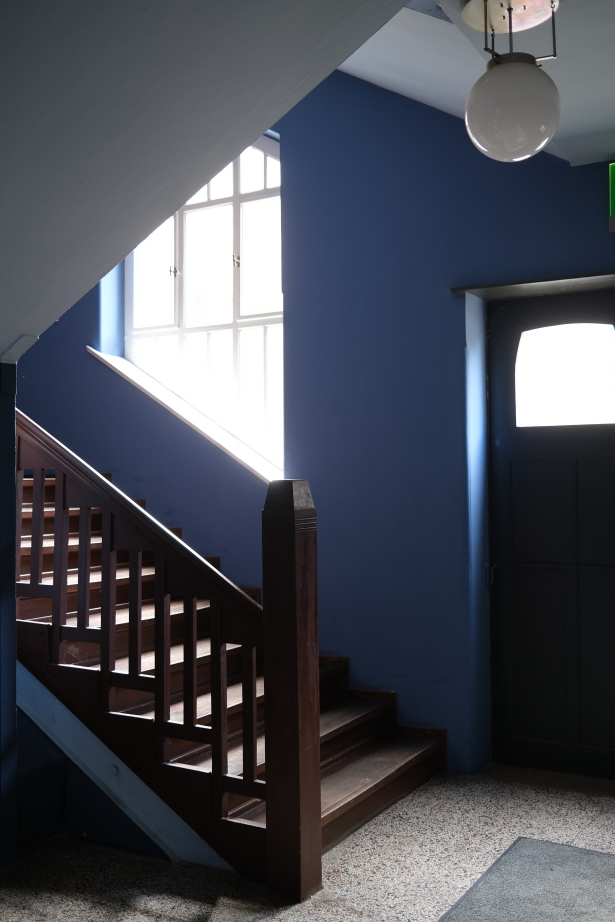
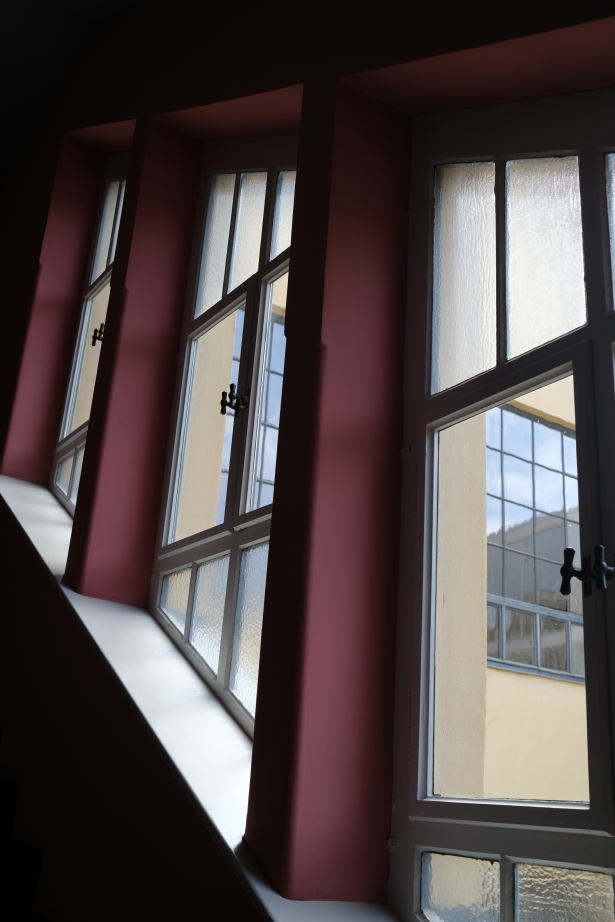

Opposite is the Applied Arts building, which forms a beautiful whole:
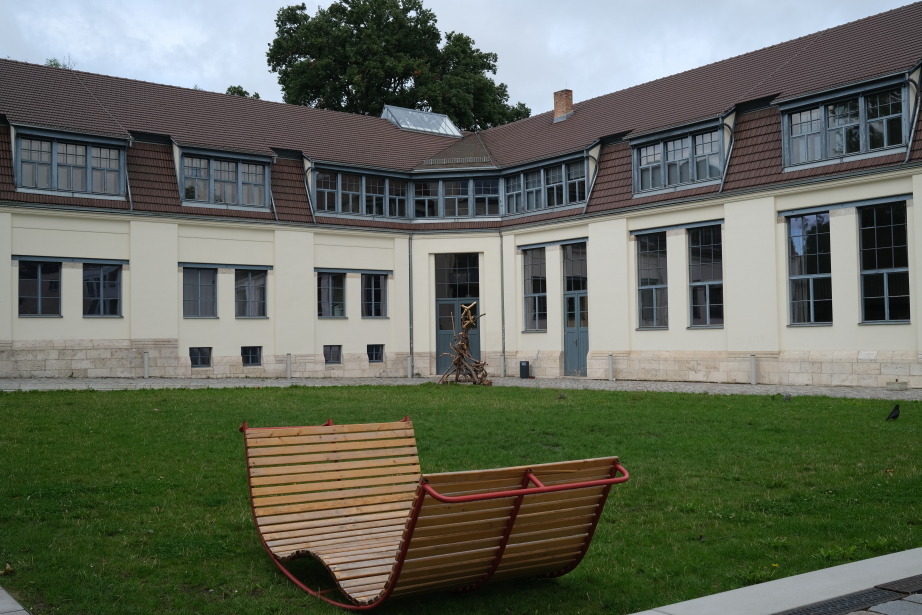


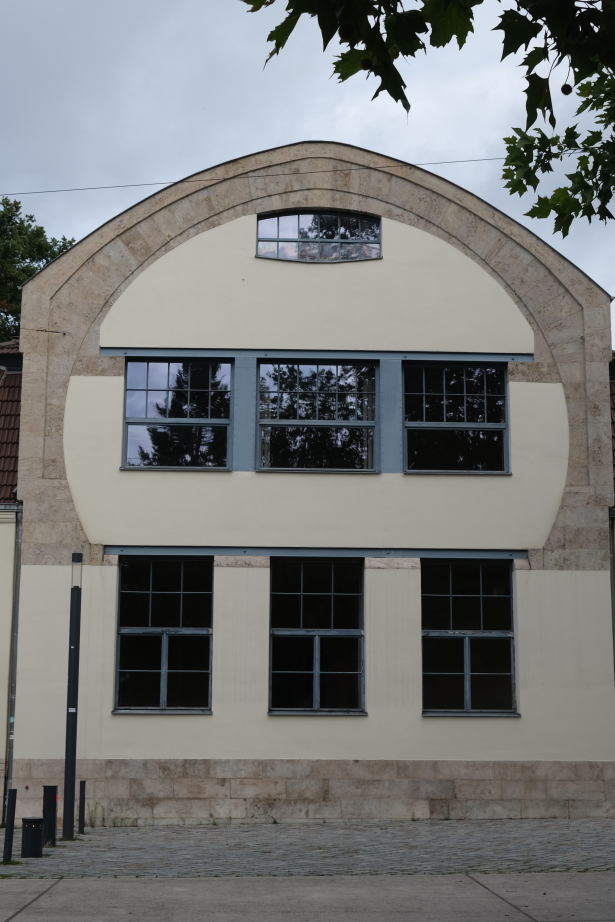
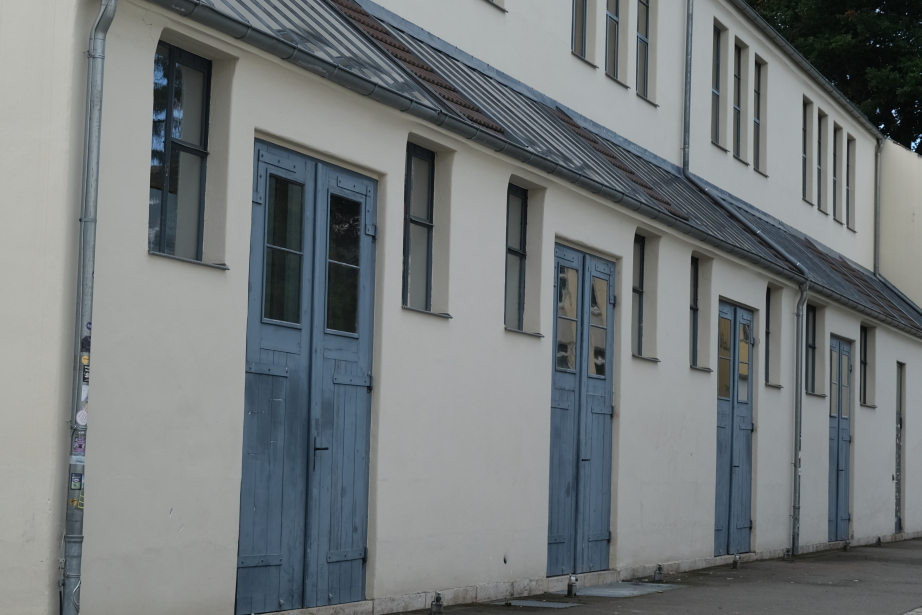
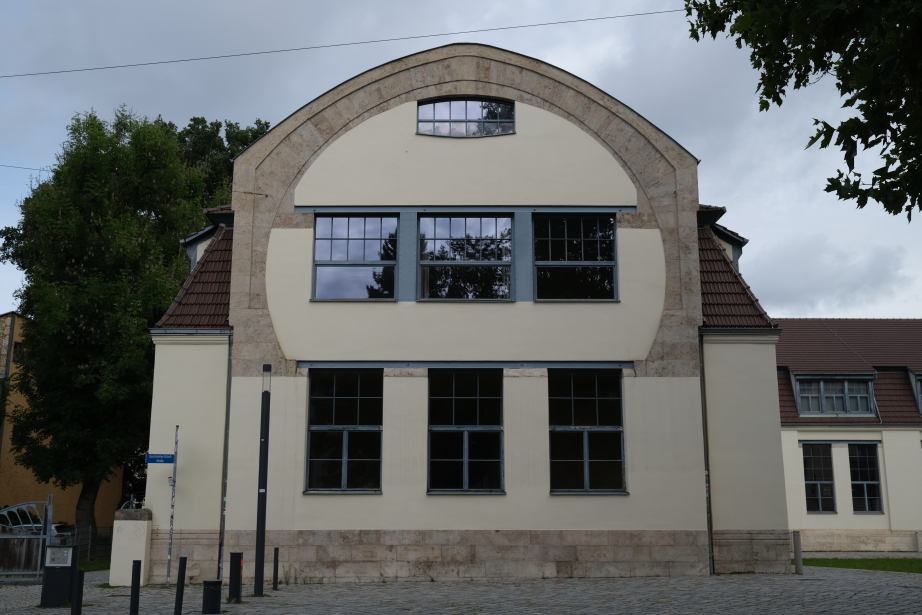
To finish off this visit dedicated to the Bauhaus, you need to cross the large park am Ilm to reach a very beautiful villa dating from 1923: Haus am Horn. The architect was George Muche, assisted by Walter Gropius and Adolph Meyer. This prototype house is the only one built by Bauhaus architects in Weimar and was intended to serve as a demonstration of the school’s various professions (architecture, design, etc.). The house is a perfect square with a living room at its heart. A visit not to be missed.
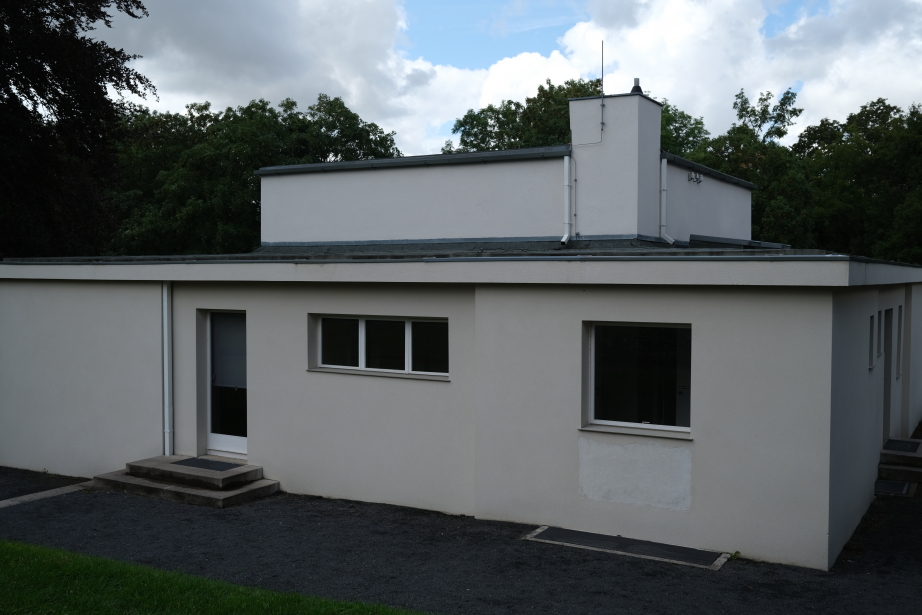
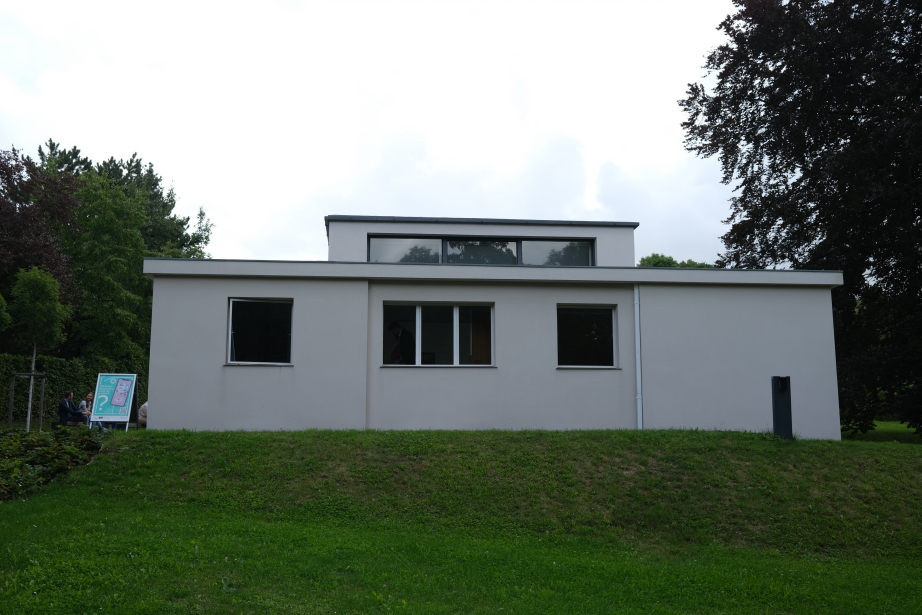
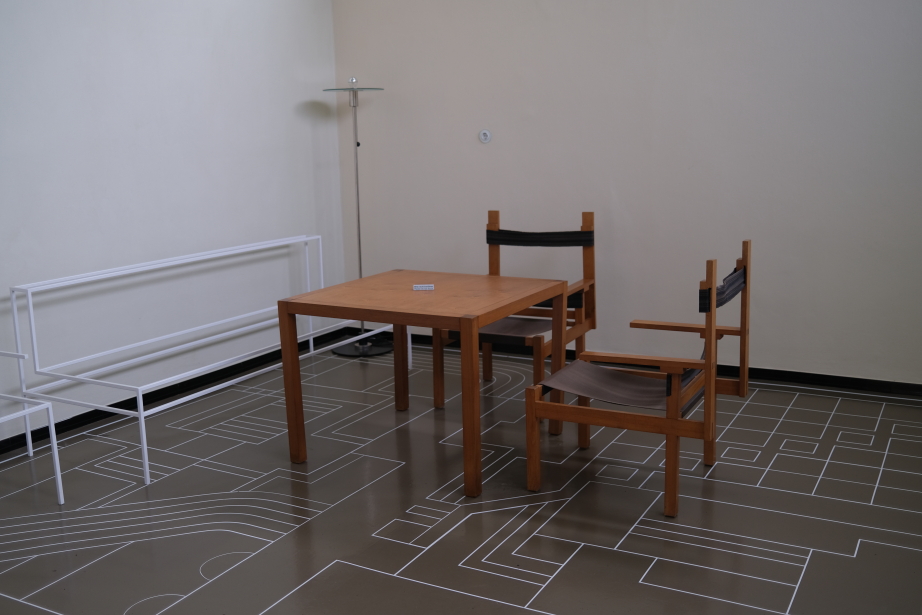

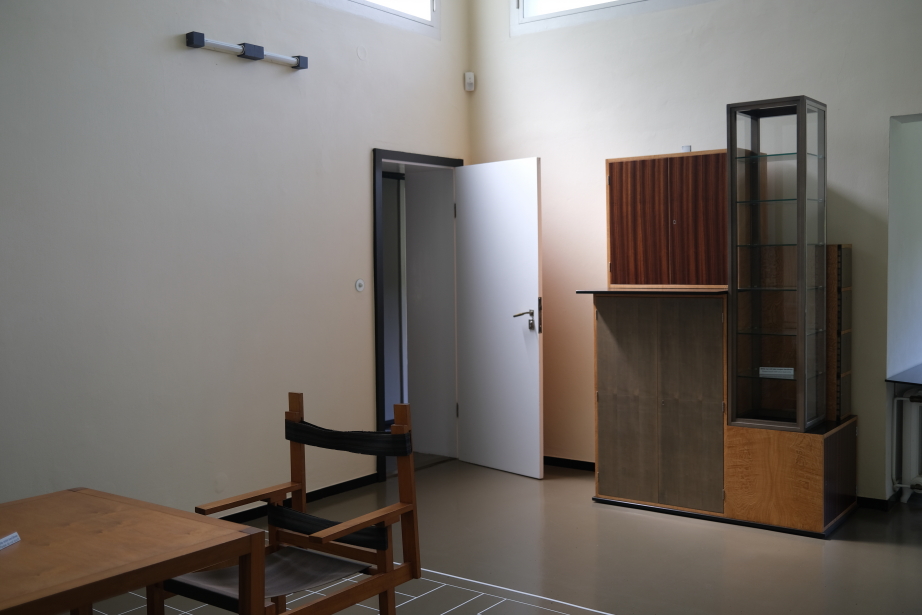

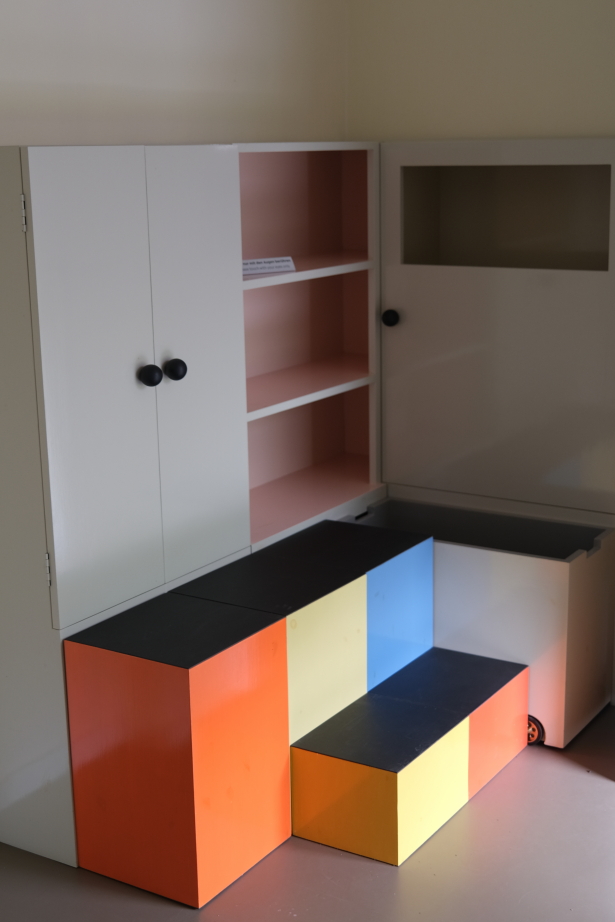
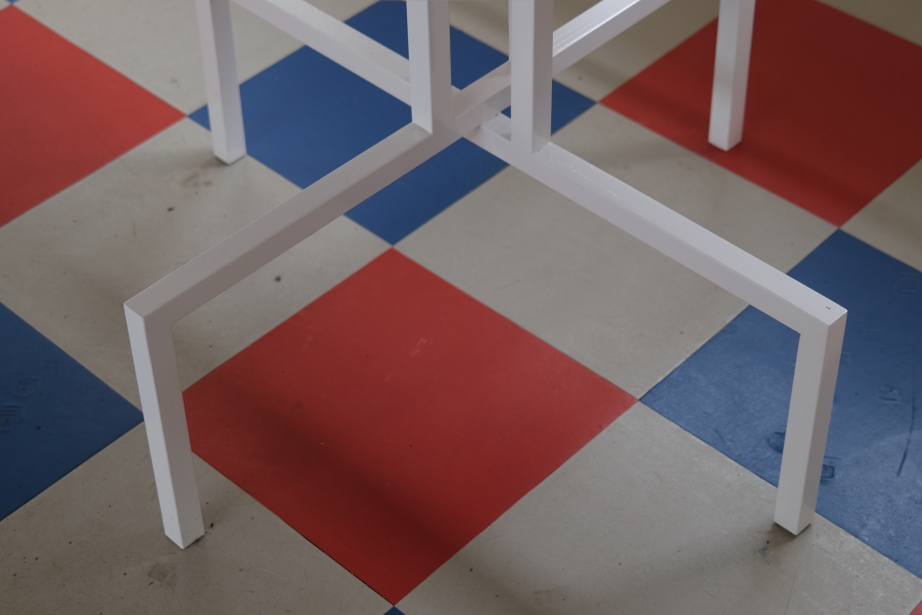
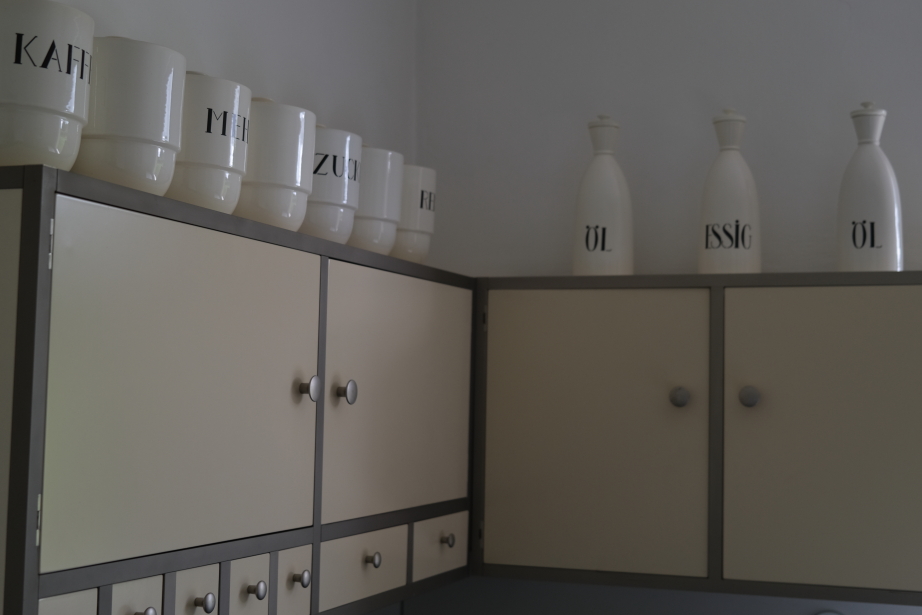
During the renovation, elements of the furniture were recreated, sometimes symbolically, to give a clear idea of the project: the rooms were small but bright, functional and colourful… modern!
If you like this architecture, I’ve written a number of posts on the Bauhaus, in Dessau, Bernau near Berlin and elsewhere in Germany, which you can find on my blog.
 Où que ce soit ... Wherever it is